Ford Pro and Atlanta-based energy provider Southern Company have completed a six-month pilot program designed to study managed charging for electric commercial fleets and its potential impact on the power grid.
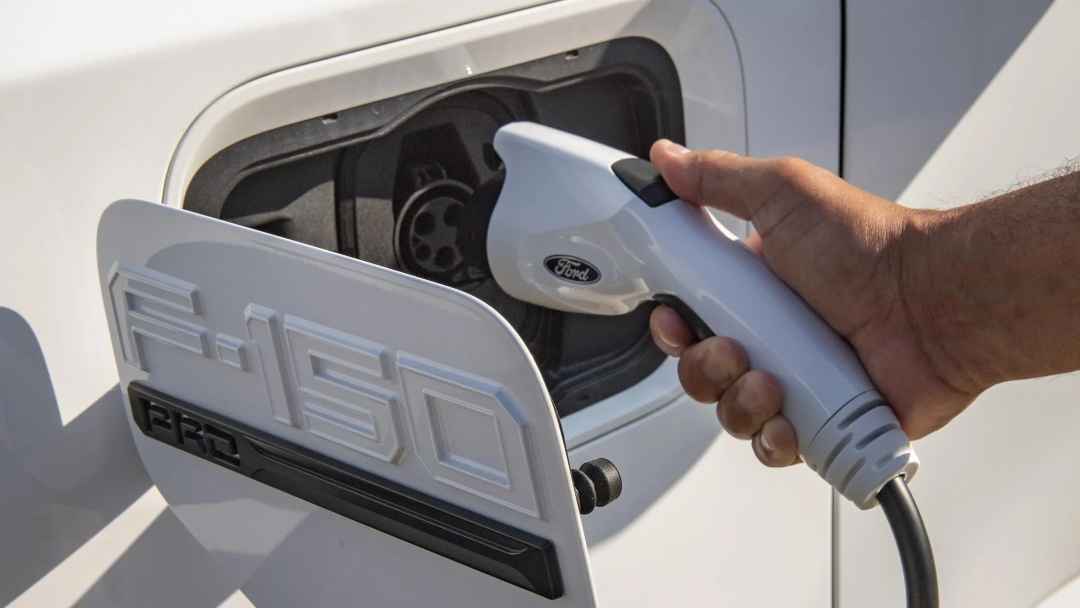
The program used more than 200 Ford F-150 Lightning trucks and 150 Level 2 AC Ford Pro Chargers across Southern Company’s subsidiaries. Ford Pro Intelligence tracked charging patterns and energy use, providing the utility company with data to evaluate cost savings, grid impact and operational readiness.
With a diverse fleet spread across multiple states, Southern Company provided what Ford Pro called an ideal test environment. The pilot showed how enterprise fleets can shift charging to off-peak times while still ensuring drivers have reliable access to power.
“Ford Pro’s energy management algorithm was able to throttle chargers to avoid windows of peak grid demand, shifting charging within the drivers’ existing charging window while still ensuring that drivers got the energy they expected out of a charging session,” said Tom Canada, fleet electrification project manager at Georgia Power, a Southern Company subsidiary. “The insights gleaned from this pilot represent valuable learnings that can be applied to help us manage our electric vehicle fleets more efficiently and help us better advise customers who may approach our electric utilities for advice about managed charging for their fleets.”
As part of the trial, Ford Pro software ran demand response tests by pausing charging during periods of high demand and peak pricing. Southern Company’s fleet remained operational throughout, showing that managed charging could reduce strain on the grid without interrupting business needs.
During one 30-minute test, the company reduced total charging demand by 0.5 megawatts, or about 10 kW per charger. The results were consistent across three separate tests held at different times of day.
Ford Pro said the pilot demonstrated how combining vehicle and charger data with software solutions can give fleet operators greater control of energy use. The findings may also help inform customer programs and support broader grid reliability as commercial electrification grows.
Sep 04, 2025

Lift & Access is part of the Catalyst Communications Network publication family.