As many manufacturers feel the strain of a shrinking skilled labor force, JLG’s story is unfolding differently. Not waiting for workforce solutions to arrive, the manufacturer is creating them.
Through partnerships with high schools, technical colleges, trade associations and industry organizations, JLG is helping students discover careers in the trades while giving current workers opportunities to advance their craft. The result is a growing community of homegrown welders, painters, assemblers, manufacturing and robotics engineers, maintenance professionals, service technicians and equipment operators.
“In America today, there are more students who want hands-on technical education than there are classroom seats available,” said Andy Tacelosky, chief operating officer at JLG. “We saw an opportunity, not just to hire talent but to help create it one student and one trainee at a time. These programs give people a pathway to build a career, earn a living and stay in their communities.”
School-to-Work
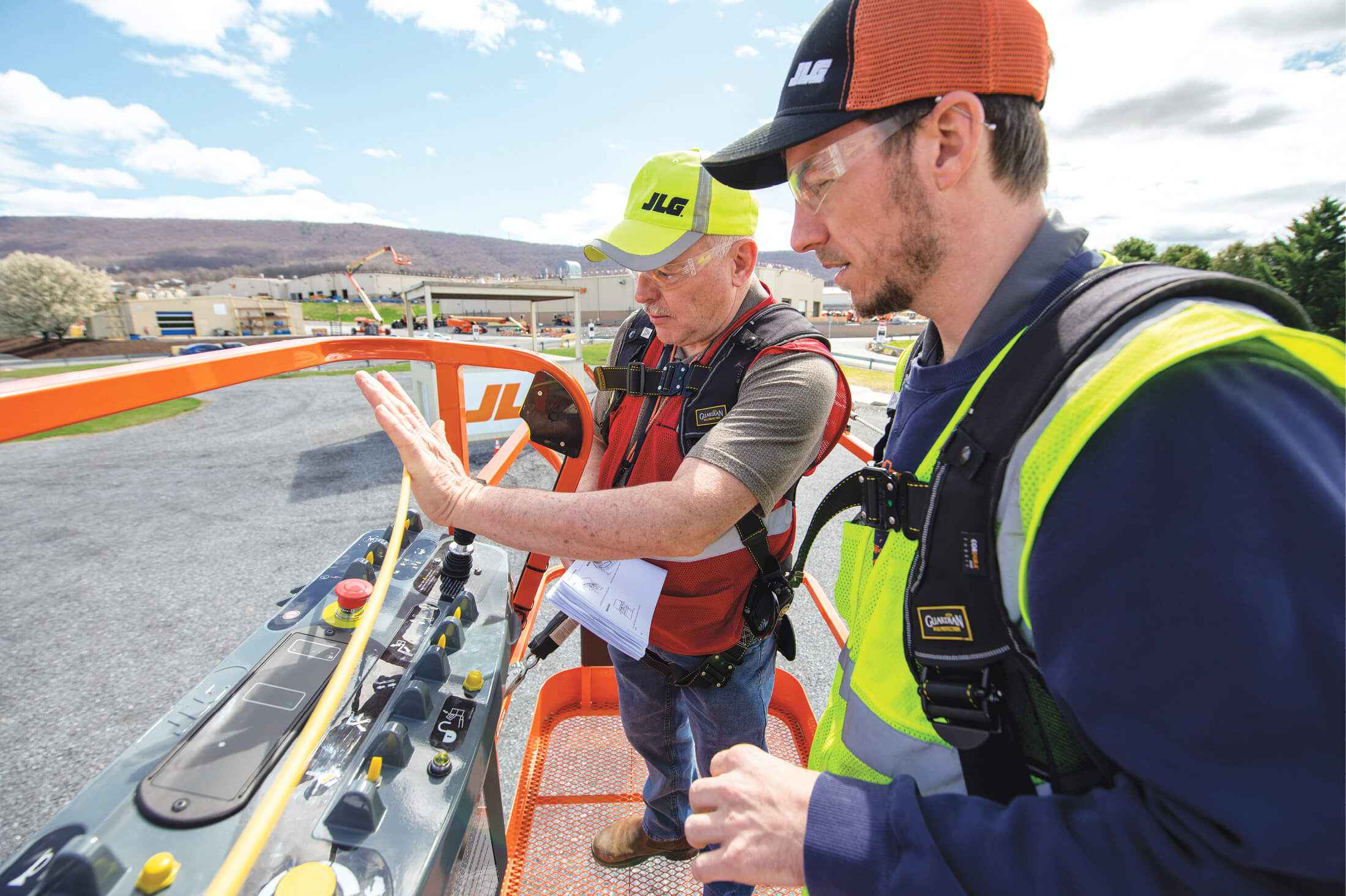
JLG’s School-to-Work (S2W) program allows high school juniors and seniors local to its five manufacturing facilities in Pennsylvania, to earn school credit while working paid roles in welding, assembly, painting, fabrication, warehouse support and more. Students receive real-world experience, mentorship and the chance to transition into full-time roles after graduation.
S2W+ — an advanced extension of the program — places students in specialized roles such as maintenance, robotics, machining, engineering and testing for deeper technical exposure.
“Our School-to-Work program gives young people a real opportunity to help us rebuild the future of the skilled trades,” Tacelosky said. “These are students who want to work with their hands and solve real problems, but the classroom alone can’t always give them that experience. Through S2W and S2W+, students earn school credit, a paycheck and the chance to work alongside experienced professionals.”
“JLG is not just in the business of manufacturing lifts,” said Bradley Ocker, director of career and community partnerships at Chambersburg Area Senior High School in Pennsylvania. “It is elevating the next generation of skilled workers. Working with our school since 2018, JLG has assisted in improved student attendance, behaviors and academic performance, which all lead to increased graduation rates. JLG’s School-to-Work program creates economic security for every student employee.”
TCAT Partnership
Starting in 2025, JLG established a partnership with the Tennessee College of Applied Technology (TCAT), which is near the company’s manufacturing facility in Jefferson City, Tennessee, to integrate technical education with real-world factory experience. After campus visits, interviews and plant tours, several students are now working part-time on JLG’s maintenance team while attending school, learning from specialists across multiple disciplines.
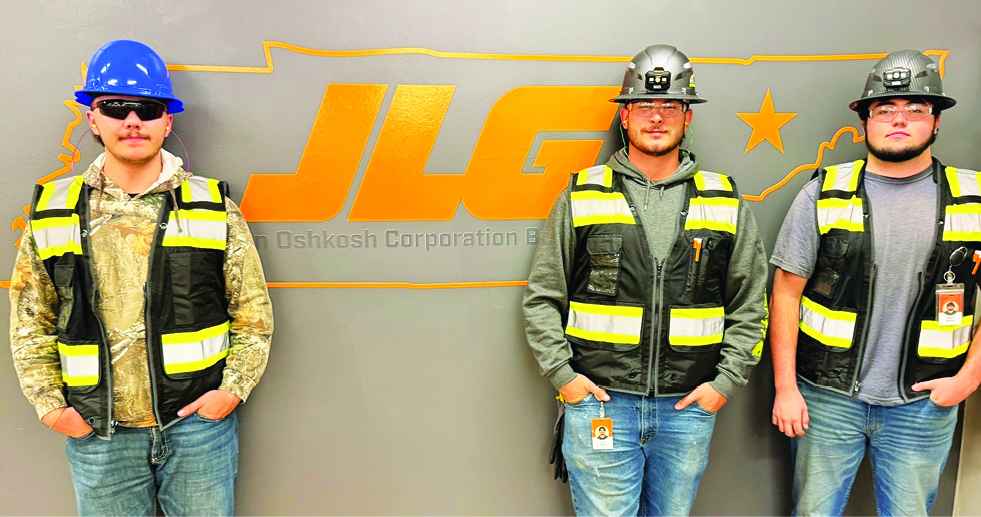
“This is what modern technical education should look like,” said Tacelosky. “Students are learning in class and applying it in real-world situations the same day.”
“Our partnership with TCAT Morristown provides students with valuable industry experience while developing future talent in the community,” said Amanda Heinbaugh, HR director at JLG. “TCAT students have been eager to learn, quick to adapt and appreciative of the variety of projects they’ve had the chance to support. It’s been a great experience for both them and our team.”
Upskilling the Trades
While JLG is committed to developing future talent through schools, the company is equally focused on investing in those already working in the trades. Through its internal trainee programs, JLG is helping current team members and new hires advance into high-demand skilled positions, particularly in areas including welding and industrial painting where manufacturers across the country struggle to hire experienced workers.
JLG’s Weld Trainee Program provides entry-level team members and external candidates with the opportunity to become certified welders. Participants complete three to four weeks of classroom and lab-based instruction, followed by three weeks of on-the-job training alongside experienced JLG welders. To date, JLG has had about 56 internal and 41 external trainees go through the weld trainee program.
Similarly, the Paint Trainee Program is designed to develop industrial painters from within the workforce. Through hands-on training and mentorship, participants gain the skills needed to move into full-time painter roles. To date, JLG has hosted three rounds of the program with four internal trainees and five external trainees.
“Welding and painting require skill, safety and precision and these are often some of the most difficult roles in manufacturing to fill,” Tacelosky related. “Instead of waiting for talent to come to us, we’re building careers and strengthening our workforce for the future.”
Partnering to Build the Industry
JLG’s workforce commitment goes beyond its own facilities. The company partners with trade associations, unions, training schools and equipment rental providers to upskill craft professionals across North America in operating and servicing MEWPs (mobile elevating work platforms) and telehandlers.
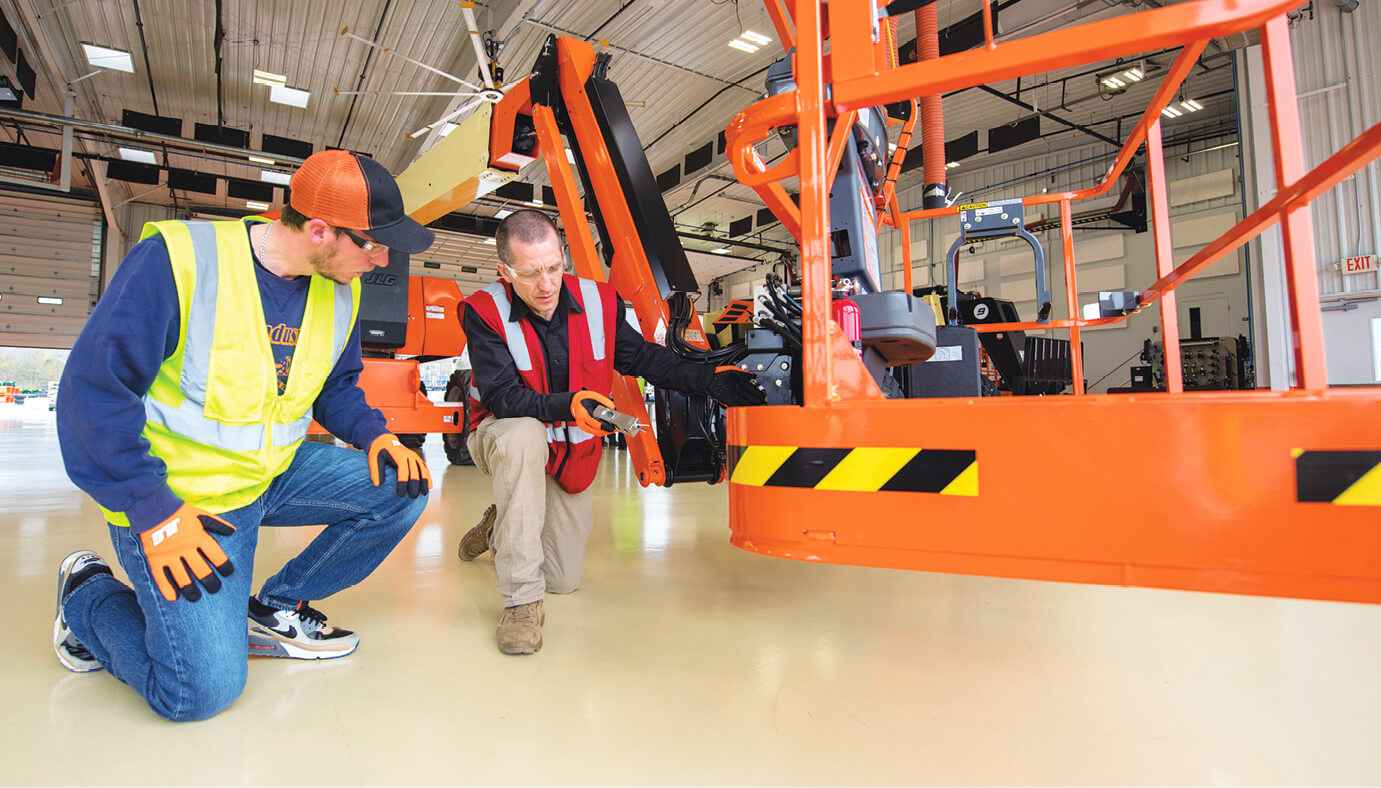
These partnerships include organizations such as the Associated Builders & Contractors (ABC), Association of General Contractors (AGC), Association of the Wall & Ceiling Industry (AWCI), Mason Contractors Association of America (MCAA), Steel Erectors Association of America (SEAA), trade unions, community colleges and correctional/vocational programs.
Creating the Future
“We know we can’t solve the skilled labor shortage on our own,” Tacelosky said. “That’s why we’re partnering with trade associations, unions, technical schools and industry groups to help bring real-world equipment, certified training and industry standards directly to the people who need it most.
“Working alongside these organizations, we’re not just training people; we’re helping them build lasting careers,” Tacelosky continued. “It’s good for workers, it’s good for employers and it’s good for the future of the trades.
“These investments are not short-term initiatives,” Tacelosky added. “They are part of a long-term vision. We’re not just preparing people for jobs. We’re helping them build meaningful careers, and in doing so helping strengthen the trades, the industry and our communities.”
Feb 13, 2026


Lift & Access is part of the Catalyst Communications Network publication family.