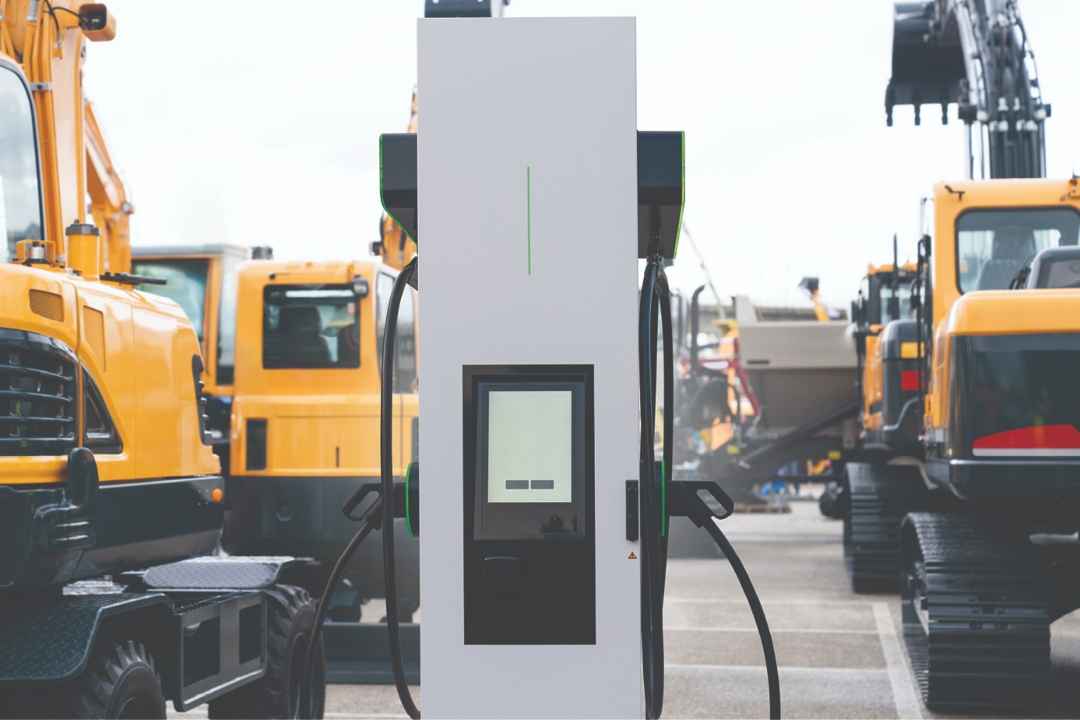
Despite uncertain market conditions, electrification continues to advance across construction equipment as performance capabilities improve and the industry matures. The changes in electrification conversations over the past few years demonstrate this maturation, shifting from aspirational discussions centered on how quickly equipment could be electrified to more pragmatic concerns.
In today’s conversations, original equipment manufacturers (OEMs) and customers evaluate applications and platforms by considering where electrification makes sense, how equipment will be used and what value it actually delivers. These questions reinforce the industry’s long-term progress and deliver better returns on investment (ROI) regardless of an individual application’s adoption rate.
This next phase of electrification isn’t about moving faster; it’s about making smarter decisions throughout the development process. With the right strategy and decision-making, OEMs will position their electric platforms as common-sense solutions compared to legacy vehicles and equipment still powered by internal combustion engines (ICE).
Beyond the Initial Wave of Electrification
Myriad factors affect the rate of electrification across off-highway applications, such as power output requirements, consistent access to charging infrastructure and operating environments. Even though early industry hype has cooled, adoption of electric platforms continues to increase.
The material handling industry demonstrates how the adoption of electric platforms evolves with time, but it always depends on cost and capabilities. Despite changing economic conditions, material handling operations continue to electrify their lift truck and forklift fleets because doing so lowers the total cost of ownership (TCO) and increases ROI. Economic incentives have driven forklift electrification rates up to 70% globally, and Europe has even reached 90%.
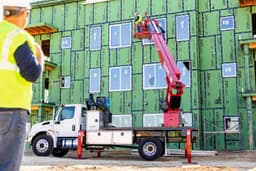
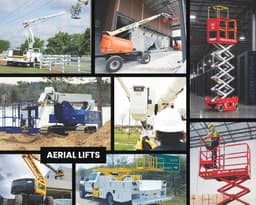
As the initial wave of electrification calms, OEMs and customers approach electric vehicles and equipment with more realistic expectations. Rather than asking whether electric machines can replace everything, customers are evaluating where these solutions fit best within their operations. For example, fluctuating fuel costs and exhaust-related health concerns make electric platforms an obvious choice for indoor material handling operations. Alternatively, construction operations might determine that investing in electric aerial lifts, compact equipment and skid steers makes sense, while other high-horsepower, heavy-duty machines remain powered by ICE or hybrid systems.
This shift from hype to realism signals a healthier, more mature electrification market, where purchasing decisions are increasingly driven by operational needs rather than by excitement of new technology.
Questions to Ask Before Designing an Electric Machine
Decisions on whether to electrify vehicles and equipment necessitate a thorough review of anticipated duty cycles, application environments and what price customers will pay. These days, electrifying a platform simply because competitors are doing so or to generate aspirational hype will likely result in costly failure.
Rather than asking, “Can this platform be electrified?”, OEMs need to ask, “Does electrification make this platform better?”
Understanding Duty Cycles and Application Requirements
Design and engineering must begin by understanding the realities of a given application. Ideally, OEMs will collect and leverage real-world deployment data to guide these determinations. Real-world duty cycles and environments are commonly more demanding than initially expected, and datasheet specifications aren’t sufficient.
OEMs must develop a foundational understanding of every product regarding:
OEMs’ evaluation of these factors will help determine whether electrification is the right solution for a given application. If OEMs can deliver the necessary performance at prices customers will pay, the answer is most likely yes.
Better Customer Experience and Value
The maturation of the electrification industry demonstrates that operators understand how crucial TCO and ROI are compared to sticker prices. Generally, electric platforms will be more expensive up front, but OEMs can still incentivize purchases by significantly improving customer experiences and lowering or eliminating ongoing costs.
Consider how electrification can provide fleets with the following customer experience improvements:
The goal isn’t simply to build an electric version of an existing machine; it’s to build a machine customers see as the better choice for their application.
Building the Right System
OEMs must start from real-world duty cycle data or by developing a deep familiarity with the application’s actual operating conditions. The next steps involve purpose-built engineering and collaborative integrations to optimize performance.
Crucially, performance optimization requires OEMs to think in terms of system integrations rather than individual components. The complete electrical system should be regarded holistically, with its various systems and components integrated with one another. For example, the battery, motor, controller and charger should be selected and sized based on how they work together. Integrated systems also improve logistics and manufacturing capabilities when some components arrive integrated and ready for install.
Common development mistakes to avoid include designing around singular components, oversizing components and setting unrealistic performance targets. In particular, singular components may prove incompatible and oversized components become unnecessarily costly as manufacturing scales.
When OEMs collaborate with their suppliers early in the design process, those partners can provide their expertise to optimize performance, balance costs with acceptable trade-offs and avoid common mistakes. Early collaboration also minimizes the risk of costly redesigns. The most successful OEMs think beyond launch, selecting partners and technologies that can support the product throughout its lifecycle, reducing risk as the market continues to evolve.
Where the Industry is Headed
While electrification continues to move forward, the maturing industry is becoming more deliberate and purposeful with solutions. Rather than asking, “Can we electrify?” or, “How quickly can we electrify?”, market-leading OEMs and customers that maximize ROI now ask, “Where does electrification create the most value?”
For OEMs, that answer always starts with a thorough understanding of the application and putting planning before designing. Long-term success also relies on collaborating with experienced suppliers early in the process to further optimize vehicle systems and deliver measurable value to customers.
The OEMs that succeed won’t necessarily be the first to electrify every machine; they’ll be those that make the right electrification decisions for the right applications.
About the Author
Benny Forsman is the business development director at ZAPI GROUP North America.
Sep 16, 2026

Lift & Access is part of the Catalyst Communications Network publication family.