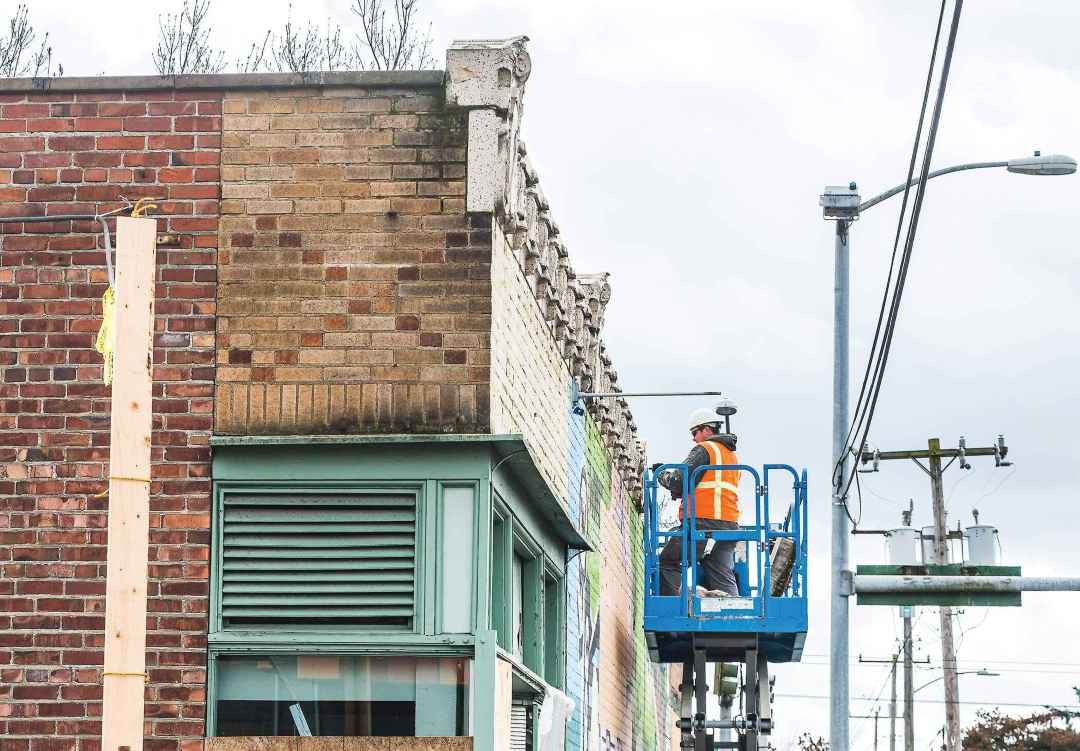
While MEWPs (Mobile Elevating Work Platforms) remain among the safest tools for working at height, data from the International Powered Access Federation (IPAF) reveals an alarming trend. From 2020 and 2024, IPAF accident data shows:
Nearly half (47%) of these incidents occurred in the construction sector while 15% were linked to facilities management activities. Equally concerning, 76.5% of incidents involved MEWP operators or occupants, and 10% involved members of the public, underscoring that roadway-related MEWP risks extend beyond jobsites.
“Working close to live traffic presents unique risks that must be carefully planned for,” said Tony Groat, IPAF’s North America Regional Manager. “Even though MEWPs are designed for safety, incorrect setup or inadequate traffic control can lead to serious incidents. And although the data already highlights a concerning trend, it’s likely that many incidents remain unreported.”
What the numbers reflect, according to Groat, is an urgent need for better planning, risk management and communication when operating MEWPS on jobsites and in proximity to moving traffic.
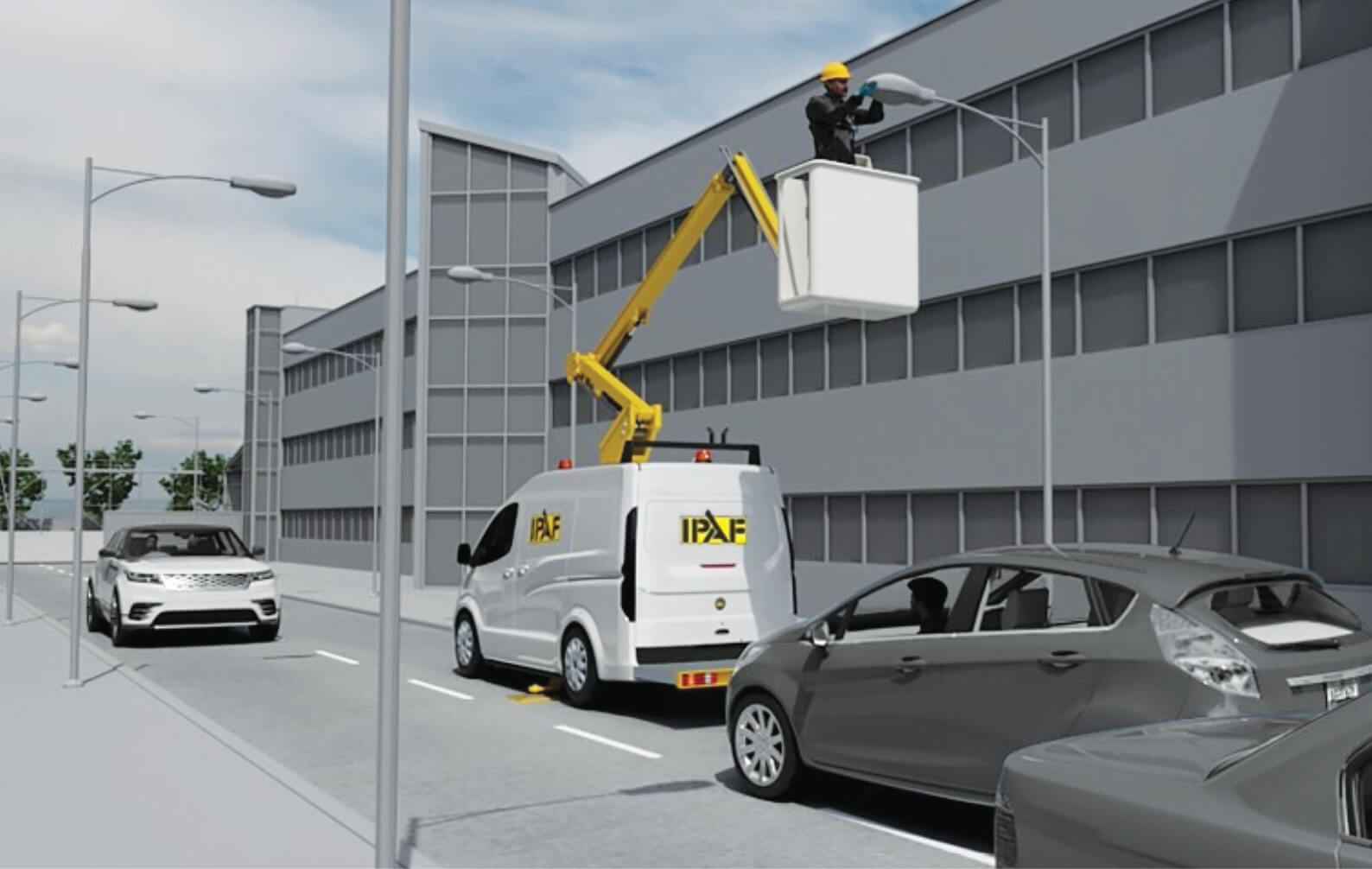
Designed as a practical guide for contractors, employers and operators, IPAF has launched a new safety campaign — How to Stay Safe on or Near Roadways. “This program gives users a simple, structured way to assess, plan and protect both workers and the public,” Groat said.
The new IPAF MEWP campaign emphasizes that the foundation of safety begins long before the machine’s platform is raised. Planning, site assessment and adherence to established traffic control standards are central themes. Contractors are reminded that improper setup or incomplete planning can drastically increase the risk of collisions and serious injury.
Shared Responsibility
To ensure a coordinated approach to MEWP safety, the campaign lays out the specific responsibilities of employers (or contractors), supervisors and operators. This clear division of responsibilities ensures that no element of safety is overlooked, from planning and setup to daily operation and emergency preparedness:
Culture of Preparedness
IPAF’s guidance doesn’t stop at identifying risks, it also offers structured steps for emergency planning and communication. For example, each site should have a documented rescue plan that is understood, rehearsed and tested by all personnel. Ground rescue teams must be familiar with the MEWP’s emergency and auxiliary lowering controls and demonstrate their proper use before work begins.
Equally vital is the need for reliable communication systems between operators and ground rescue teams. Testing communication equipment before every shift helps ensure that, in the event of an incident, rescue efforts can be coordinated swiftly and effectively.
Accountability
In the event of a serious roadway incident involving a MEWP, IPAF advised, multiple agencies may become involved in the investigation. The guidance clarifies jurisdictional boundaries to help contractors understand how incidents are managed. For example:
By outlining these distinctions, IPAF aims to ensure contractors and employers are better prepared for potential investigations and fully aware of their legal and safety responsibilities.
Planning for Safety
The IPAF campaign promotes a central truth, that inadequate planning is the root cause of most accidents. Their framework for safe planning includes several non-negotiable steps for those working on or near roadways:
By following these principles, IPAF pointed out, contractors can help ensure that MEWPs remain among the safest tools for elevated work, even in the most complex jobsite environments.
Strengthening Reporting
IPAF also strongly encourages all contractors and MEWP users to report accidents and near misses through their confidential reporting portal at www.ipafaccidentreporting.org.
This data is essential in helping IPAF and the broader industry identify trends, understand the root causes of incidents and develop future safety guidance and campaigns, Groat noted. “Every report, no matter how small, helps us learn more and prevent future tragedies,” he added.
Groat also emphasized that current statistics likely underrepresent the true number of roadway-related incidents. Increased participation in reporting, he added, will lead to more accurate data and, ultimately, safer work environments across North America.
Unified Effort
As roadway environments grow busier and work zones more complex, the stakes for safety have never been higher. IPAF’s campaign is a timely reminder that vigilance, planning and teamwork are essential in preventing tragedies.
“This isn’t just about compliance, it’s about protecting people,” Groat said. “By promoting consistent planning, proper exclusion zones and adherence to traffic control standards, and when everyone involved in MEWP operations understands their role and takes responsibility for safety, we can dramatically reduce the number of incidents and save lives.”
Dec 11, 2025

Lift & Access is part of the Catalyst Communications Network publication family.