By Kasey Lammers and Jeran Pollock
In the utility and construction industries, the job doesn’t stop when equipment breaks down. Downtime is costly, especially on remote jobsites where tight schedules make waiting days for service unrealistic. When essential equipment goes down, even short delays can impact productivity and timelines. That’s why more operations are turning to mobile service options that can handle equipment maintenance and repairs directly in the field.
The benefit of mobile service vehicles goes beyond their ability to immediately service and repair equipment. For contractors managing concurrent projects, the ability to service equipment across multiple locations in the same day is a huge benefit of working with a mobile service unit.
Additionally, as labor shortages continue to affect the industry, having comprehensive service capabilities built into a single truck can help improve efficiency. With the right truck, built specifically for your business needs, crews can keep their equipment, and their projects, moving.
The first question to ask when an operation is ready to invest in a mobile service unit to aid in their operation is: How will I be utilizing this piece of equipment?
Some companies may prioritize preventive care while others require capabilities for full-service repair work. Often, these considerations lead fleets to think about a mix of solutions that include fuel and lube units for routine maintenance paired with mechanic trucks for advanced service requirements. Depending on the application, these units may work independently or together as part of a broader maintenance strategy.
Preventive Care
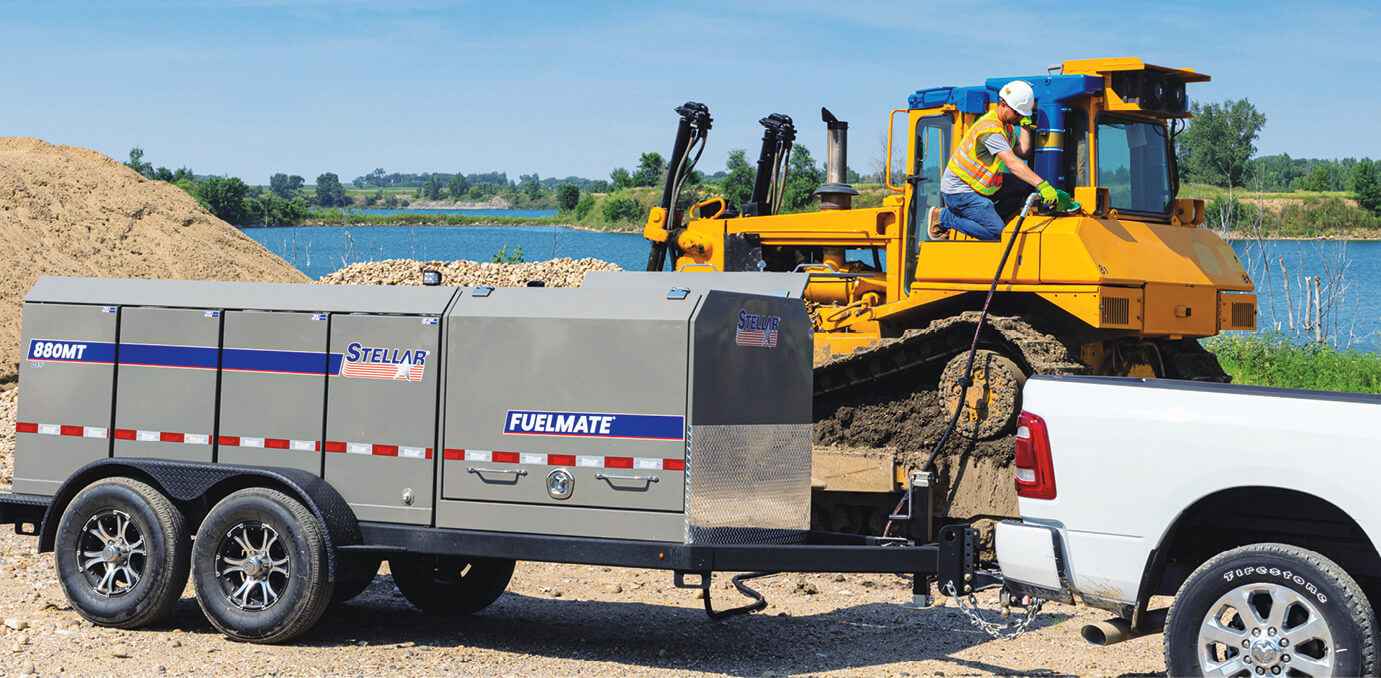
Fuel and lube trucks and trailers provide on-site fluid needs to equipment. These are great options to ensure equipment stays running. Depending on the application, fleets may choose between trucks, trailers or a combination of both.
Fuel and lube trucks can support larger operations with higher fluid capacities and the ability to bring service directly to equipment across multiple locations. Trailers can offer an option for tighter spaces or serve as a centralized maintenance resource positioned where crews can access it as needed.
Full-Service Capabilities
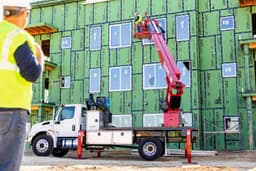
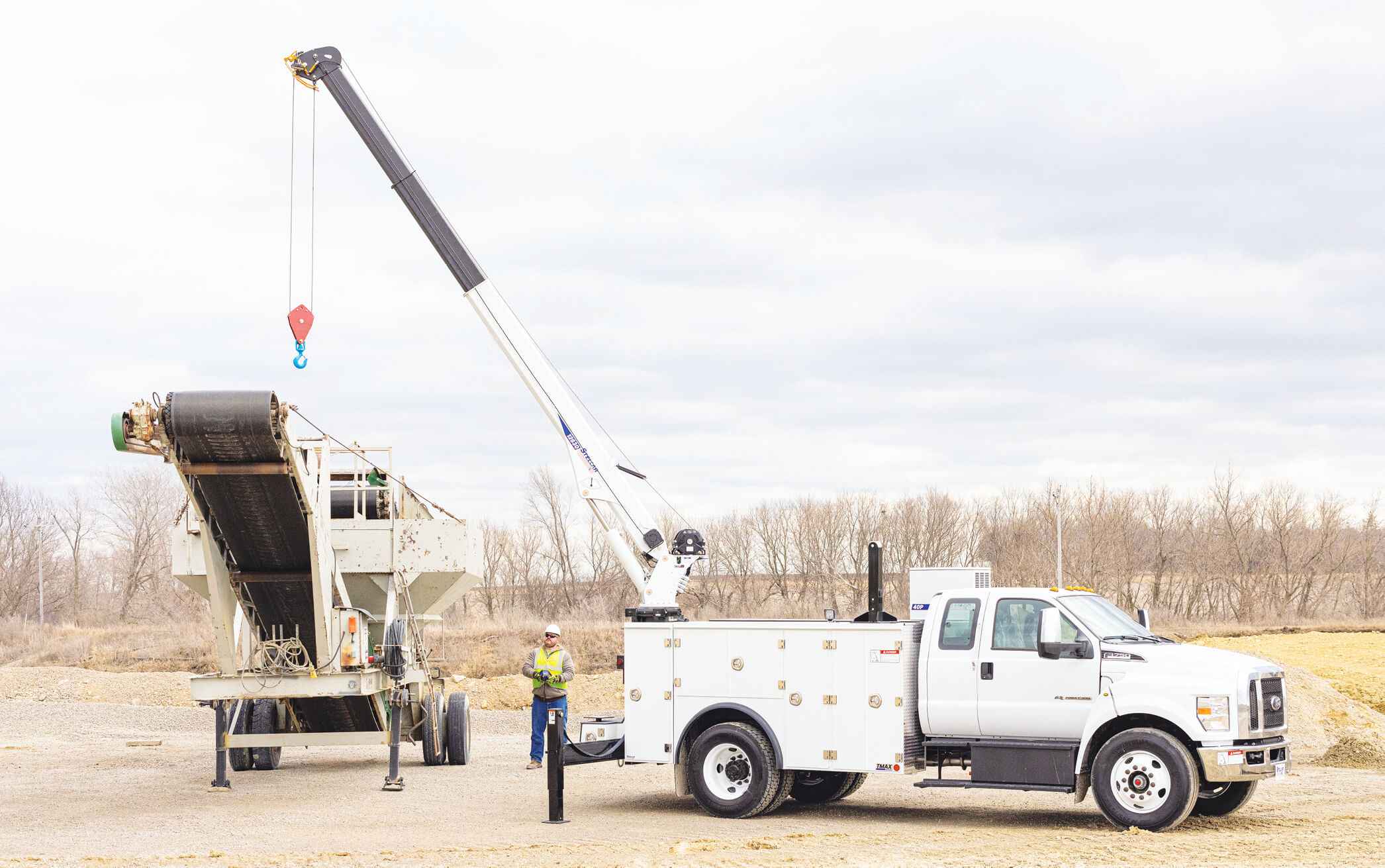
A mechanic truck provides a holistic approach to equipment maintenance and repair. Complete with a service crane, an air compressor to power tools and customized compartments to hold specialized tools and equipment, a mechanic truck can allow a crew to handle equipment repairs without ever having to leave the jobsite.
This setup allows technicians to execute complex tasks, from repairing major components to diagnosing mechanical failures, without hauling disabled machinery back to a central shop. By eliminating transport times and coordinating outside support, fleets can drastically cut repair downtime.
Once you’ve decided which mobile service unit is the right fit for your operation, the next considerations are how to build that equipment.
Aluminum Body Construction provides for higher payloads and is a great option for reducing corrosion.
Upfitting Options ensure a mechanic truck is equipped with the right accessories for maximizing its functionality. Cranes, toolbox systems, compressors, lube skids, power units and more can all be added to a mechanic truck to help increase capabilities.
Intuitive Designs help streamline workflows and when built to maximize usability allow operators to focus on the tasks at hand. Additionally, they make onboarding smoother and new employees more productive.
Looking Ahead
As fleets continue to navigate tighter schedules, labor constraints and increasingly distributed jobsites, mobile service is becoming more embedded in daily operations. What was once a support function is now being built directly into how fleets plan and maintain equipment, especially large-scale operations managing hundreds of machines across various locations.
Building out this strategy means choosing the right tool for the job so mobile service solutions can maximize productivity with significant cost and labor savings. The goal is simple: keep equipment operating where it is needed most. When the right work truck is added to your fleet, essential equipment, project schedules and the overall operation of your business can continue moving forward.
Kasey Lammers is the Product Manager, Mechanic Trucks and Accessories, and Jeran Pollock is the Product Manager & Inside Sales Director, Fuel & Lube Trucks at Stellar Industries, the manufacturer of work trucks, trailers and service truck and van accessories.
Jun 02, 2026

Lift & Access is part of the Catalyst Communications Network publication family.