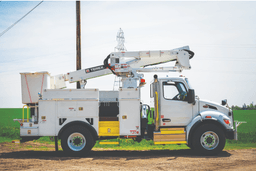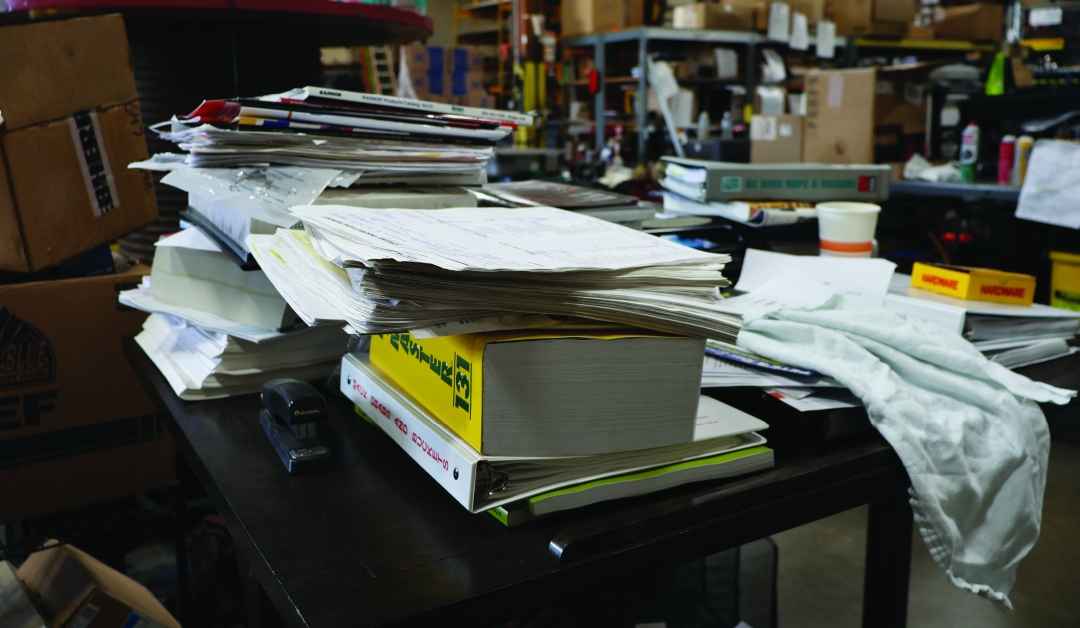
It’s a Monday morning at a utility construction contractor:
None of this is a paper problem. The paper did its job when it was written. The problem starts later when that paper has to travel somewhere else, arrive on time, be legible and be connected to the right job, asset and person. That journey is where utility and construction fleets quietly lose money every week.
Most conversations about going paperless target the wrong enemy because digital forms by themselves do not resolve any issues. A PDF that replaces a paper form but still gets emailed, downloaded and re-keyed into the fleet management or accounting system has produced no operational gain.
In some cases, it adds work. When an inspection form or work order is filled out in the field, for example, how many times must it be re-entered before the information is usable downstream? Every re-entry is a tax on the operation.
Most forms exist because regulators or owners require them. OSHA 1926, OSHA 1910.269, ANSI A92, DOT 49 CFR 396 and owner programs such as EM 385 all demand documented proof that equipment was inspected, crews were qualified and hazards were controlled. The rest exist because someone has to account for a crew’s hours, materials and production to bill the customer correctly.
The costs actually show up before crews even leave the yard. They reflect expired operator certifications, dielectric test records sitting in a binder that nobody has cross-checked against the dispatch plan, aerial devices that are overdue for pre-use or ANSI inspections and equipment that was supposed to be available but isn’t because a swap last week never made it out of someone’s head and into the fleet view.
Improving Productivity
FMI reports that 79% of contractors believe better management practices could improve labor productivity by 6% or more. In fleets, that management gap almost always traces back to the same issue: the people making the decision and the people maintaining the equipment are not looking at the same picture.
When readiness lives in binders, inboxes and memory, the yard cannot trust the schedule and the schedule cannot trust the yard. During a job, for example, when inspections, job tickets, production reports, incident and other forms are written on paper and carried back at the end of the day, the office is working blind while the work is underway. If a company has made those digital but each one lives in a separate application, the same problem persists.
Either way, operational visibility suffers:
A PlanGrid and FMI study found construction professionals spend only 35% of their time on optimal activities and lose more than 14 hours per week to searching for information, resolving conflict and handling mistakes and rework. In fleet operations, much of that lost time is in phone calls to the field, asking crews to report on work the office should already be able to see.
After the job, the most expensive consequence shows up in the billing cycle, where every upstream gap comes due at once. Payroll tries to decipher timecards without the job context to validate them. Billing reconstructs the story from fragmented job packets, paper tickets and whatever the foreman can remember.
That game of telephone produces a watered-down version of what actually happened. Then, the billing team is armed with less than they need to fight for the full value of the work performed because unit quantities get missed and line items get conceded. And those problems never surface cleanly enough to prevent the same mistake the next time.
Rabbet estimated that slow payments cost the U.S. construction industry more than $200 billion in a single year, and that 37% of contractors reported work delayed or stopped because of payment delays. In fleet operations, every day of closeout lag is working capital sitting in a glovebox or on a clipboard, and every unbilled hour is revenue the company earned and then gave away.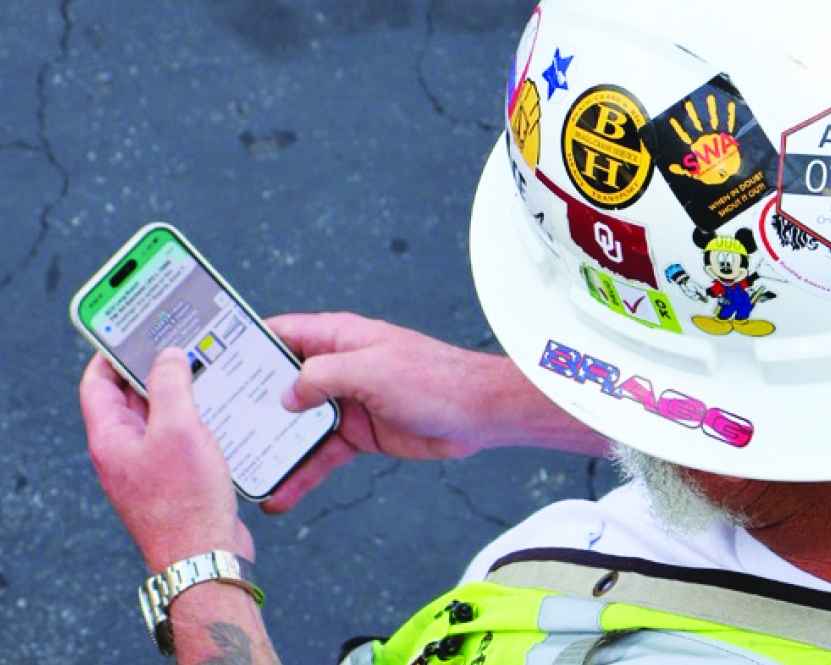
Bigger Goal
This is why going paperless, by itself, is not the goal. A utility or construction fleet operator can eliminate paper and still lose money. Replacing paper with a dozen disconnected apps compounds the problem because each login is another silo and each vendor learns a slice of the operation and forces a process that fits its product instead of the work.
Many digital form tools built outside this segment also strip out the detail that a paper job packet used to carry, mainly because the vendor does not understand what a lineman, a foreman or an equipment manager actually needs on the ticket.
A company can go fully digital and also end up with less useful information than it had on paper. The goal should be one connected operational record where readiness, field execution and closeout live together.
There are four questions a fleet should ask any digital form solution provider before trusting them with their operation:
These four are non-negotiable. Think of them as the outriggers on an aerial device. If one is on soft ground or cribbed short, you do not trust the setup and you do not send a worker to elevation. The same discipline should apply to any digital solution supporting the operation. All four have to be set before the weight goes up.
The cost of paper-based manual processes is already on the books. The question is whether to keep paying it, or to start removing it one connected workflow at a time.
Joe Frigo is the founder and CEO of Ribbiot, the provider of an operations management platform built for physical operations.
May 28, 2026

Lift & Access is part of the Catalyst Communications Network publication family.