As utility and sitework operations expand, contractors face dual workforce challenges of attracting new talent while upskilling existing crews across a wider geographic footprint. For the Sellenriek Family of Companies, those challenges became more urgent as its footprint, fleet and field demands grew more complex.
Rooted in the Midwest and built on decades of field expertise, this family-led organization supports fiber installation, overhead electric distribution and underground utility construction in more than 16 states. One project may run through a rural corridor with minimal traffic while another unfolds along dense urban streets.
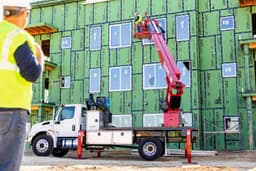
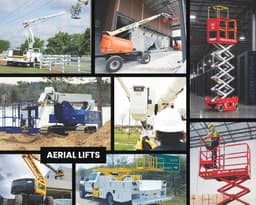
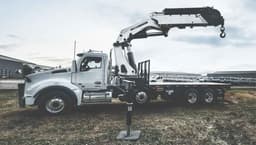
The company’s utility fleet reflects that range of work, from bucket trucks, horizontal directional drills, mini excavators, skid steers and track loaders to digger derricks and support trucks. Experience levels vary just as widely, with new hires often working alongside operators with decades in the field.
As Sellenriek expanded, hiring alone wasn’t enough to keep pace. The company needed a more systematic way to upskill the crews already in the field.
Building Consistency
Workforce pressure in utility construction is often framed as a hiring problem, as labor demands continue to outpace the available workforce across much of the industry. In practice, the greater challenge often shows up after hiring, when new employees and experienced operators alike are expected to perform complex work with limited time for structured workforce development.
Workers are often most vulnerable early in their careers. One study of workers’ compensation claims found that 34% of workplace injuries occur during an employee’s first year on the job. In utilities, where crews operate heavy equipment near energized lines and buried infrastructure, mistakes can escalate quickly. Managing that early career risk is more complicated when crews are dispersed and training conditions vary from one jobsite to
the next.
For Sellenriek, that challenge was amplified by scale. Crews were spread across multiple states, operating different types of equipment in widely varying jobsite conditions. Weather could disrupt on-the-job training, and production equipment wasn’t always available to pull aside for practice. Under those conditions, informal learning often led to uneven standards from one crew or region to the next.
Beyond Seat Time
Historically, many equipment operators train through a watch-and-learn model. New hires observe experienced operators, gradually take on more responsibility and build confidence through repetition in the field.
The watch-and-learn approach can build familiarity, but it can also allow inefficient habits or inconsistent safety practices to take hold. “Experience alone doesn’t guarantee strong operating practices,” said Mark Woodward, director of training and safety manager for Sellenriek. “We needed a scalable training system that could bring new hires up to speed quickly while reinforcing standardized practices for experienced crew members.”
To address that challenge, Sellenriek developed the BUILT program, short for Building Utility Infrastructure Leadership Training. The four-day program was originally designed for new hires, but leadership soon saw its value for the broader workforce as well. Bringing experienced employees through the training created an opportunity not only to refresh safety practices, but also to align expectations across crews and regions.
“We’ve had 35-year employees come through the program and they feel that it was a tremendous benefit to them.” Woodward said. “What we quickly realized was we wanted existing employees to come through the program as well to reset safety training.”
That shift changed BUILT from a basic onboarding effort into a broader workforce development model. Newer employees gain a structured introduction to the company’s expectations, while more experienced workers help reinforce those standards and model leadership for the people around them.
The curriculum spans several core areas:
Woodward said the impact has been measurable, with a 43% reduction in incidents among new hires and an estimated 65% drop in company-wide incidents, including recordable and lost-time events.
The value of the program goes beyond technical instruction. It helps establish a common operating standard for their workforce, regardless of their location or the nature of their work, supporting fiber installation in one market and underground or overhead utility work in another.
Training Flexibility
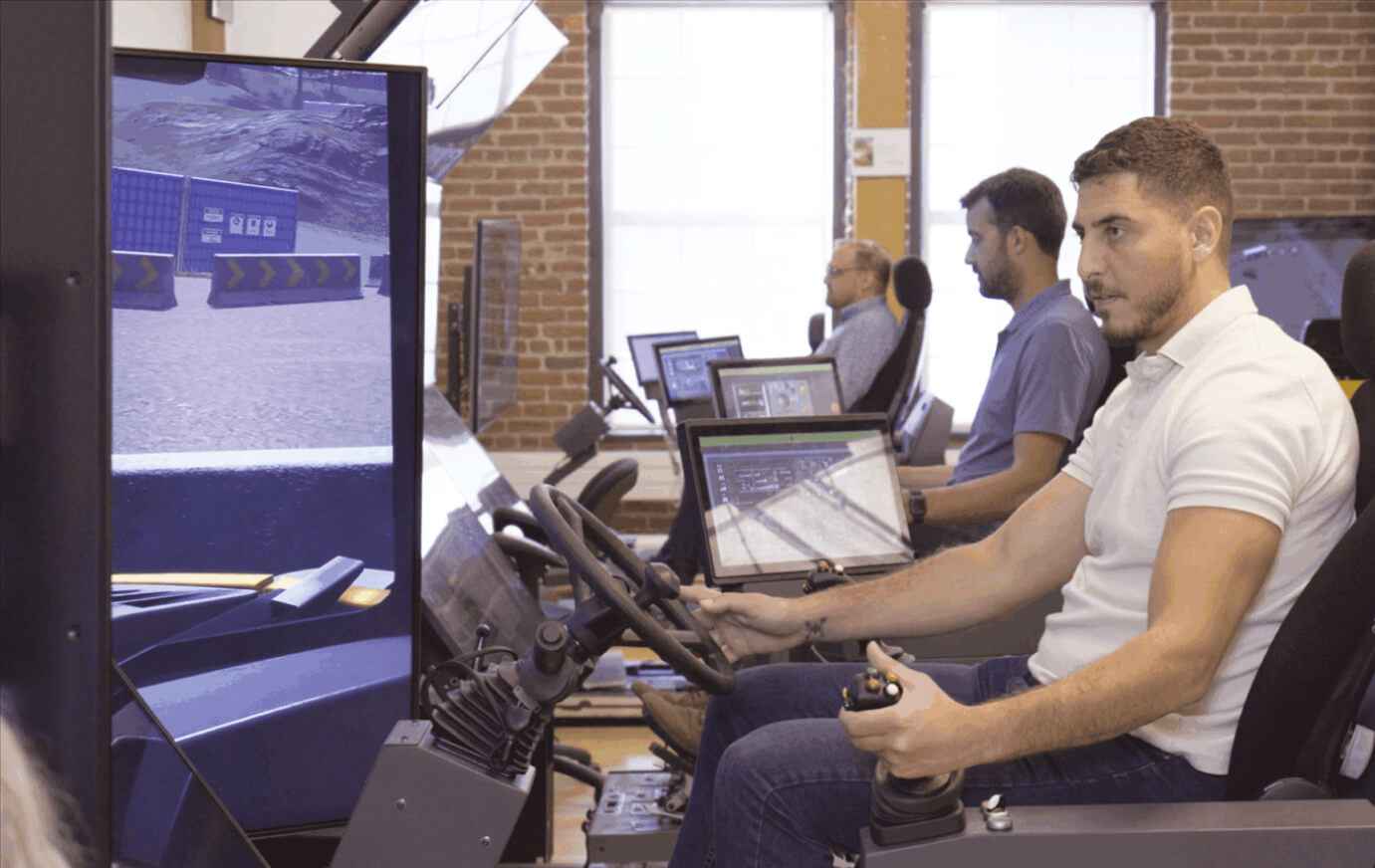
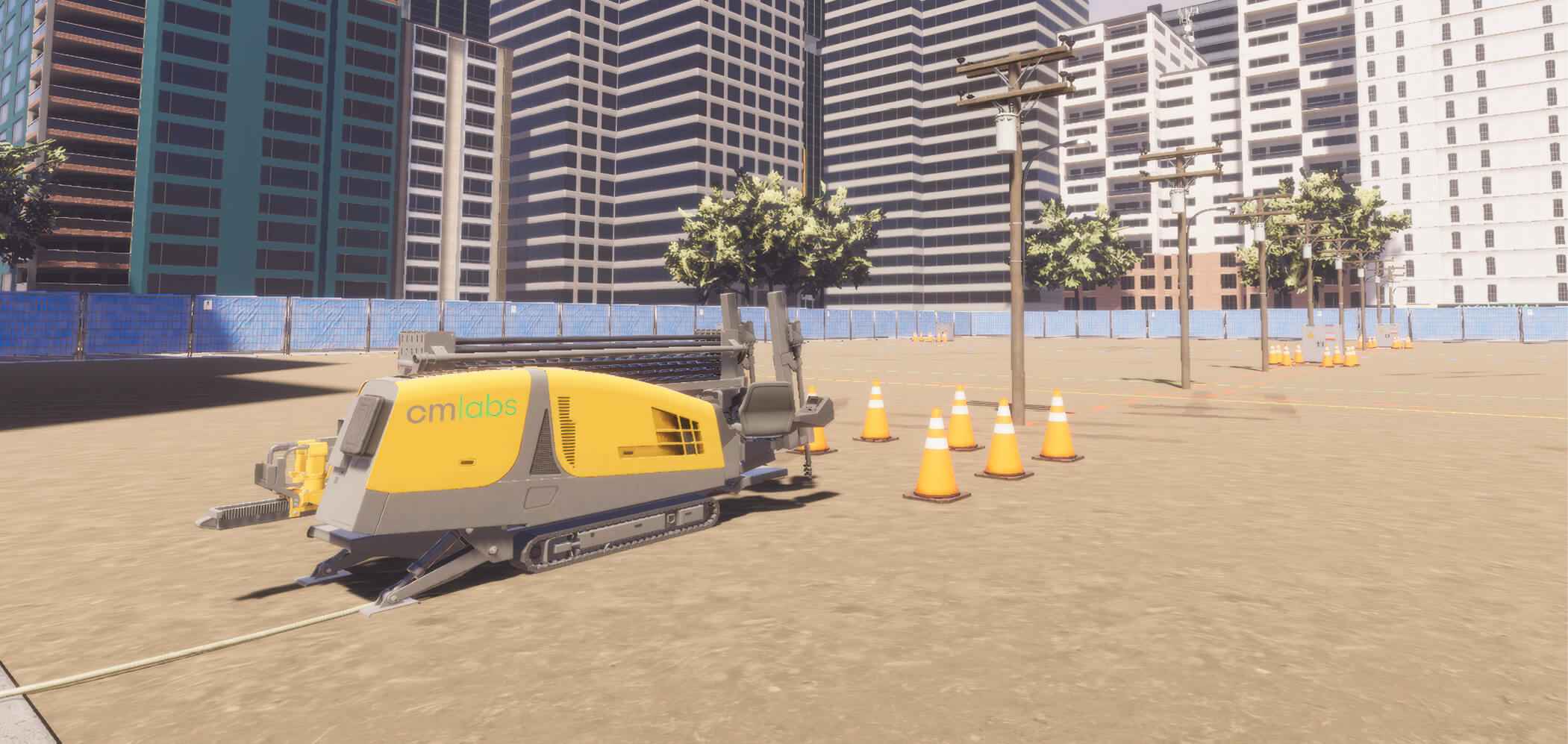
Simulation became a key part of that model because it gave Sellenriek the flexibility to deliver training on multiple types of equipment while reflecting the actual demands of its business. Crews are not all doing the same work on the same equipment. Depending on the role and region, operators may be training on digger derricks, bucket trucks, excavators, backhoes, horizontal directional drills and other support equipment across fiber, underground utility and overhead electric jobs.
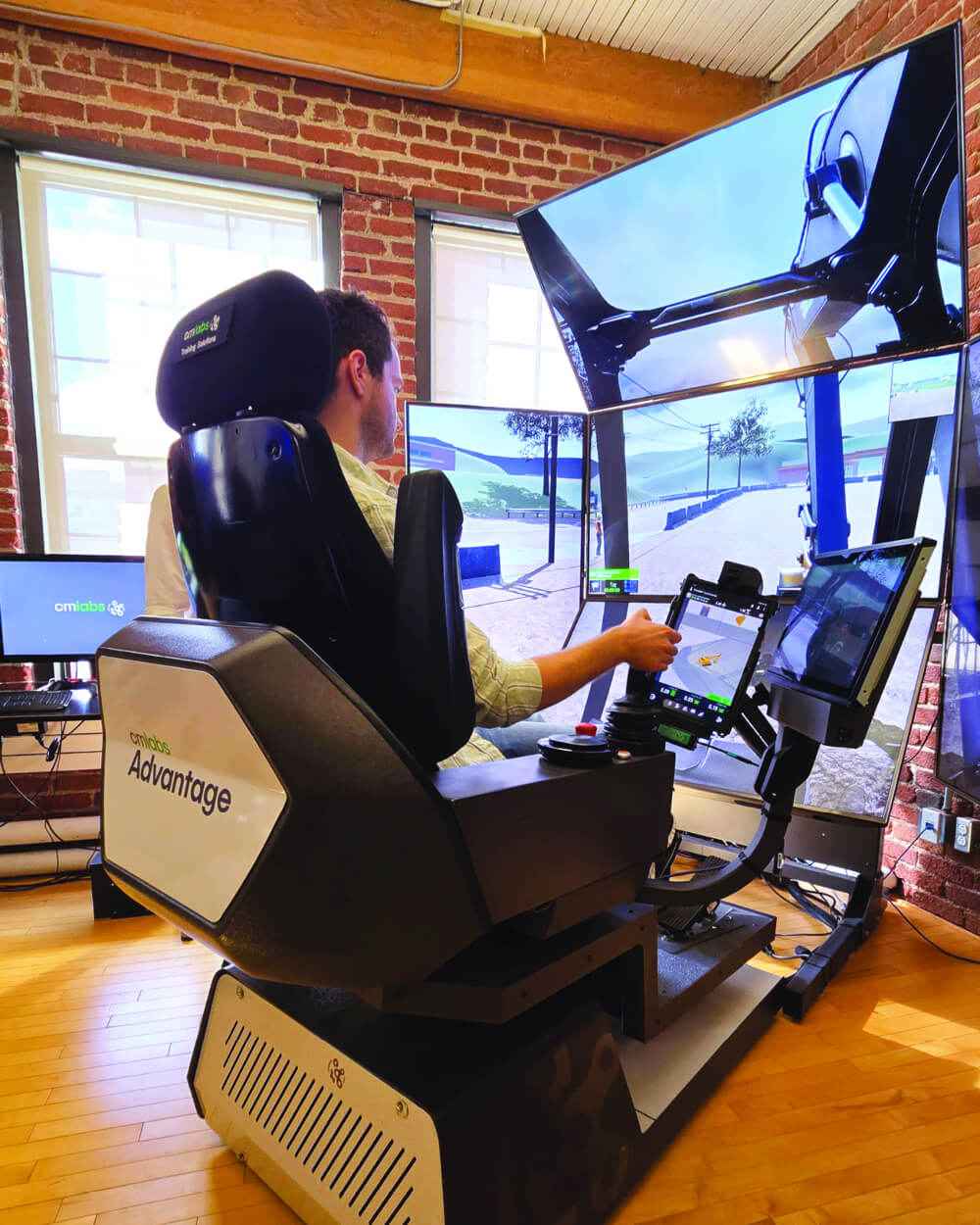
Participants log in under individual credentials and complete task-based modules aligned with their roles. They train on simulator exercises that match the equipment they use. Beyond the training itself, the simulator generates high-quality reporting that gives Sellenriek a way to document development and evaluate performance. Those insights help reinforce common standards across crews, roles and regions.
Woodward said simulation also reveals operator habits early. “Simple things like seatbelt use show up right away,” he related. “You can see how someone approaches the machine before they ever step into the field.”
For a multi-state contractor, that kind of visibility matters. It creates a more consistent way to assess behavior, verify readiness and reinforce expectations across crews that may rarely train together in person. It also helps Sellenriek develop operators without putting unnecessary wear, downtime or risk on live production equipment.
Reinforcing Standards
BUILT is not meant to stand alone. It serves as the baseline within a broader system designed to keep instruction consistent when foreman expectations and coaching styles vary. The layered approach extends beyond in-person sessions and includes micro-learning modules, internal videos and learning management tools that help reinforce the same operating standards between formal training events.
For a dispersed contractor, that kind of reinforcement matters because consistency across states depends less on one annual safety meeting than on steady communication through multiple channels.
At Sellenriek, training is built around four directives: safety, quality, maintenance and production. The order is intentional. Production is not treated as a standalone command pushed ahead of everything else. It is treated as the outcome of getting the first three right.
The philosophy fits the realities of the company’s work across fiber installation, overhead electric distribution and underground utility construction. Safety reduces exposure in high-risk environments. Quality, with a clear emphasis on both Quality Assurance and Quality Control, helps prevent mistakes, callbacks and rework. Maintenance supports equipment condition, reliability and uptime.
When those areas are reinforced together, crews are better positioned to deliver consistent production across jobs, regions and machine types. For fleet and equipment leaders, that framing matters. Upskilling is not only about lowering incident rates. It is also about reducing unnecessary stress on machines, improving uptime and helping operators perform more consistently, whether they are working in the ditch, in the cab or from the bucket. In that sense, Sellenriek’s model connects training directly to operational performance.
Culture Is the Multiplier
Sellenriek’s approach shows that training at scale can’t depend on years of experience alone or on a single annual event. It has to be structured, measurable and reinforced across locations, supervisors and crews. Simulation makes that possible with consistent training, in the same scenarios, delivering the same expectations and performance standards across crews and locations.
Upskilling a multi-state workforce requires consistent training, clear accountability and a culture that supports safe, repeatable performance across crews and regions. It also requires training methods that can scale with the work itself. That also means using downtime strategically and reinforcing pre-operation inspections and other routine behaviors that influence safety and equipment performance long before a machine goes to work.
For Sellenriek, that work has become part of how the company supports safety, consistency and operational performance across a growing footprint. At the end of the day, the companies best positioned to meet the workforce challenge will be the ones that train more intentionally as they grow.
Jun 03, 2026

Lift & Access is part of the Catalyst Communications Network publication family.