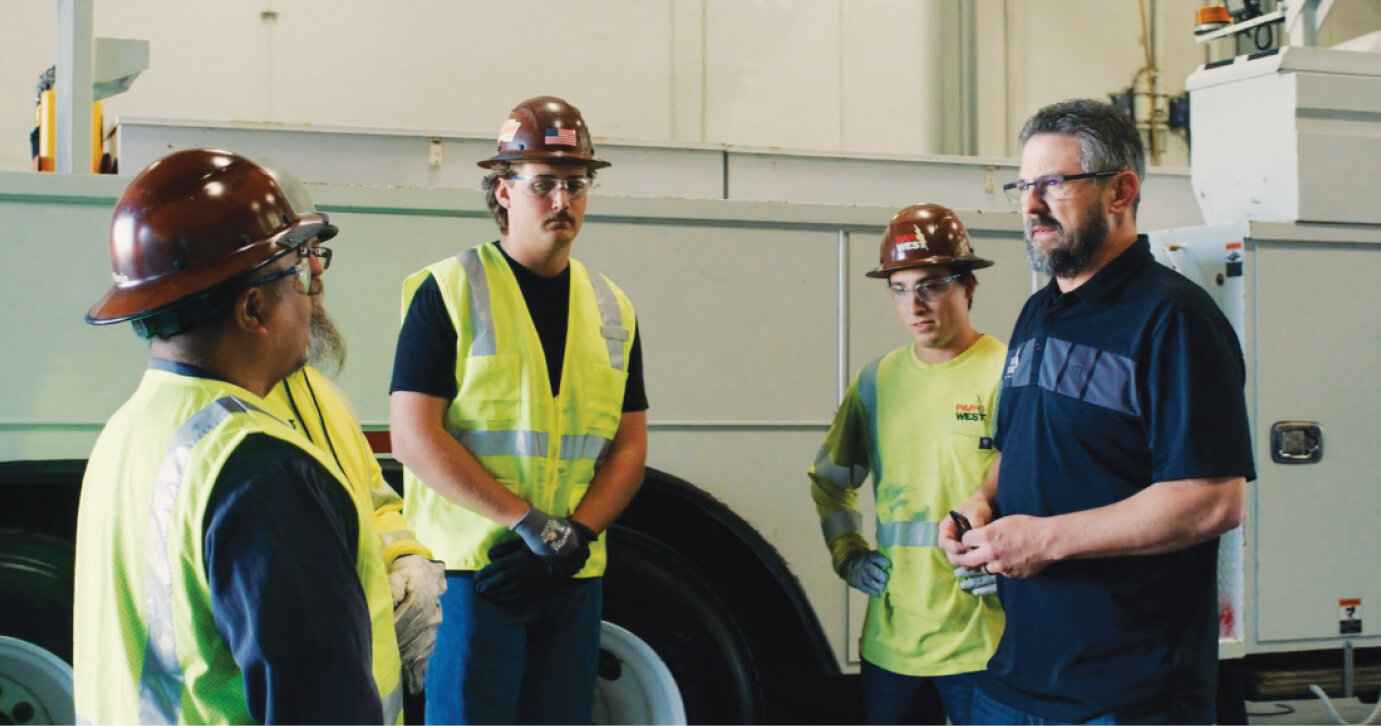
The utility fleet industry’s technician shortage isn’t just a hiring challenge; it’s a retention one. The bigger question for many operations is, what actually keeps technicians?
For David Johnson, director of fleet at PAR Western Line Contractors, there is no single answer. Success, and especially for growing operations, stems from several initiatives that strengthen hiring and retention pipelines.
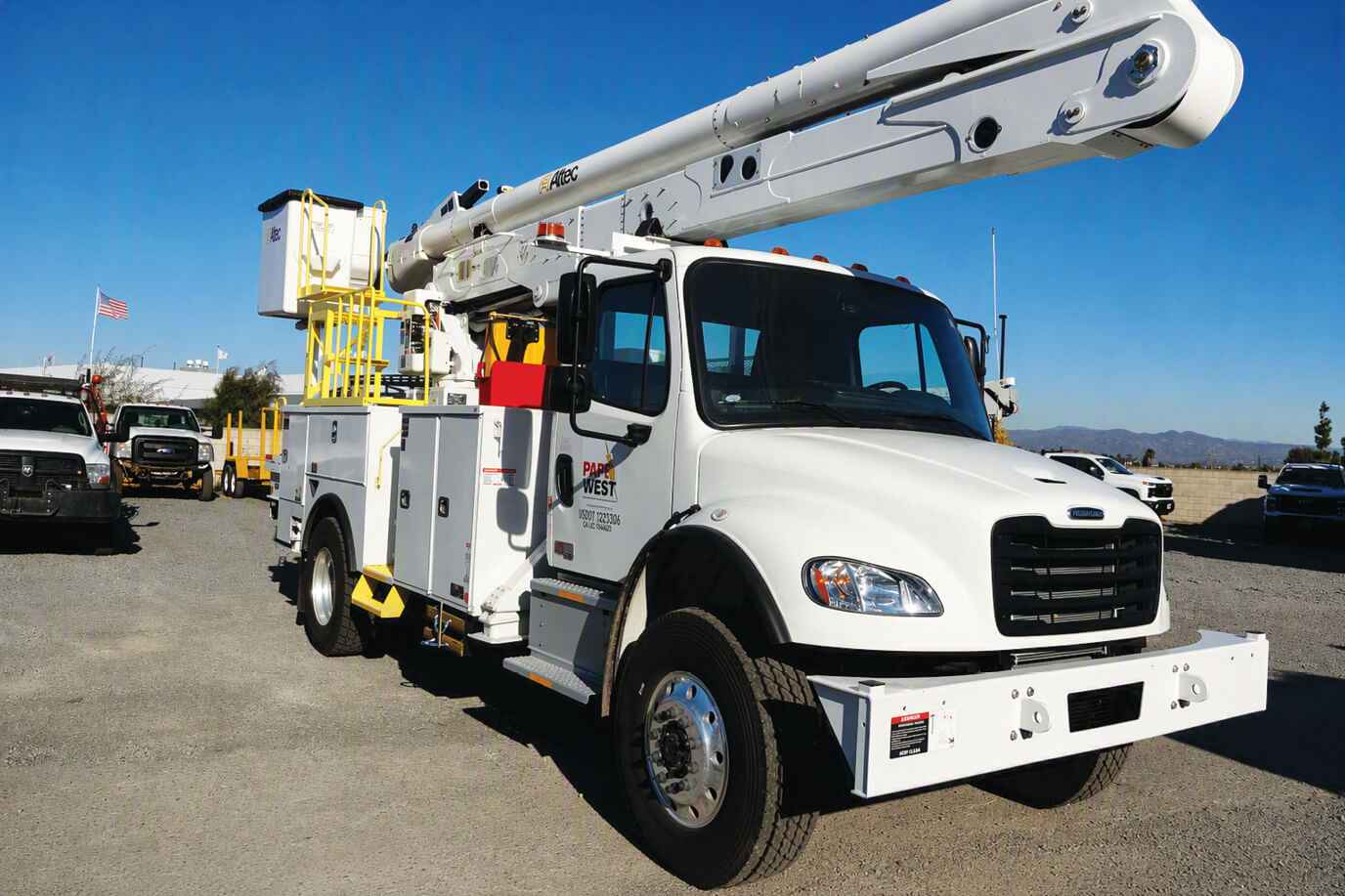
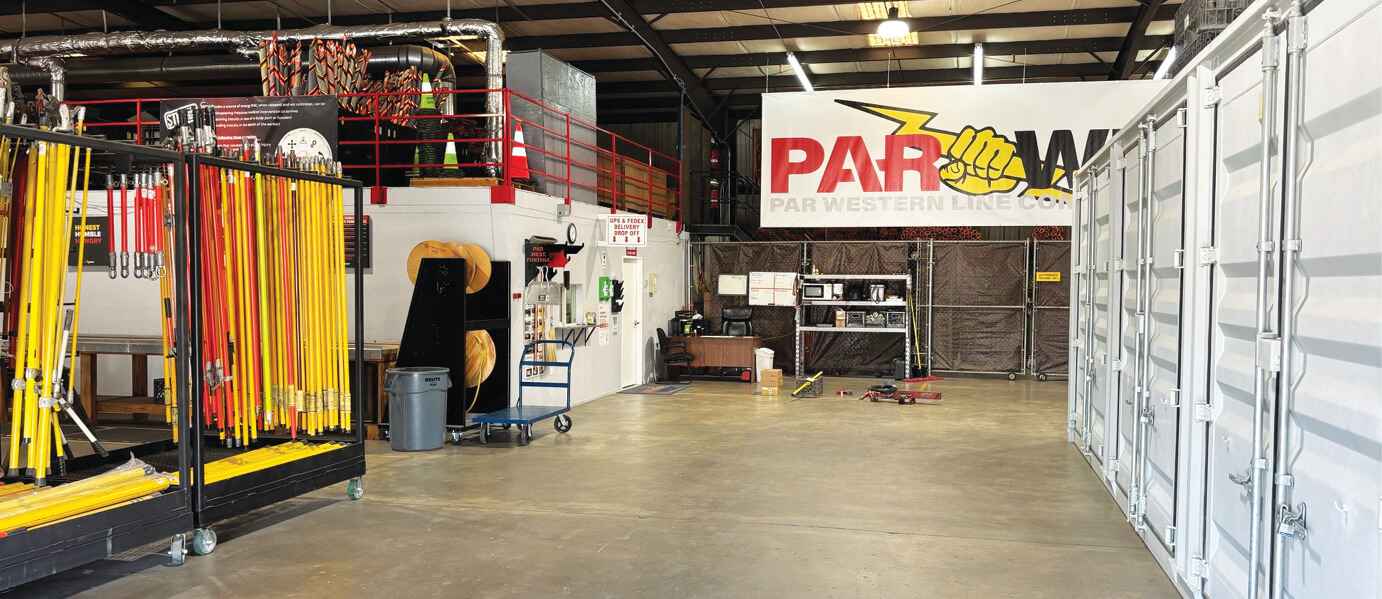
Based on more than 30 years of leadership experience in fleet management, Johnson brought workforce planning strategies to light during EUFMC 2026. PAR Western Line Contractors, a Quanta Services company that provides a range of utility construction and restoration services, fields a large fleet of assets across California and Hawaii. Its fleet workforce includes field and shop mechanics, fabricators, equipment managers, and support staff.
“Workforce planning matters,” Johnson said. “Over the next ten years, the skilled mechanic shortage is projected to remain severe, and without significant investment in training and retention, demand will exceed supply well into the mid 2030s. The most impacted sectors will be fleet, diesel, utility, municipal, and construction.”
Data on the fleet workforce shortage spells out the details. According to industry estimates cited by Johnson:
Four Pillars
At PAR, workforce planning is approached on four fronts. “We’re focused on attracting, developing, and retaining people, and on planning,” Johnson related. “Each of those activities is aimed at building a stable of talent.”
To attract technicians, PAR is working to reach potential service employees by building a compelling employer brand, Johnson noted. “That matters as much as compensation in skilled trades because it shows us as a place to work and affects who applies, who accepts offers, and who stays,” he said.
Elements of PAR’s outreach initiatives include partnerships to form a solid foundation of training programs. “We work with trade school programs and attend career fairs to build a durable talent pipeline in the regions we operate,” Johnson related. “In addition, we’re looking to add military transition programs like Skill Bridge and Hiring Our Heroes to help us recruit veterans whose discipline and technical skills translate directly to the field.
“Developing employees results from investing in continuous technical training to build skill sets from day one,” Johnson continued. “That turns entry-level hires into safe, certified, productive crew members.”
The pathway of technical ladders at PAR from entry level to journeyman mechanic follows required courses and field hours defined at each step, Johnson noted. Included are a structured apprenticeship program with classroom hours and on-the-job training, with wage progression tied to demonstrated competencies.
In addition, every new hire is paired with a mentor for the first 12 months to accelerate field judgment, safety habits, and retention while vendor-specific, ASE (National Institute for Automotive Service Excellence), International Fluid Power Society hydraulic (IFPS), and welding certifications are promoted through paid study time, tuition assistance, and completion incentives.
“Retention is a key pillar of our approach,” Johnson said. “Keeping our workforce is essential because we estimate every voluntary departure costs about 1.5 times a technician’s annual salary in replacement expenses and lost productivity.”
To offset those costs, Johnson pointed out, PAR has established career ladders that include transparent advancement criteria from apprentice through leadership so every employee can see the path and the timeline. Competitive compensation programs are in place as well, based on benchmarking wages against regional peers, and tying raises to certifications earned, and demonstrated safe work practices, not tenure alone.
PAR is also focused on wellness, offering mental health support, financial coaching, and family benefits. “We recognize that field work strains workers and households alike,” Johnson said. “Creating a good work life balance can reduce stress. At the same time, building a culture where every voice matters and teams feel safe is a strong retention driver.
“Workforce retention is about forecasting, not reacting,” Johnson continued. “Data-driven succession planning identifies skills gaps that need to be addressed to stay ahead of attrition. To build a plan we identify successors for every fleet role and have conversations with employees about what they want to do in the future, and even if they are interested in other roles with the company.
“That information lets us translate workload into headcount so recruiting and training are sized to the growth ahead,” Johnson added. “We also perform a skills analysis to identify current employee certifications and competencies against the next 18 months of workflow needs to identify shortfalls early. In addition, tracking turnover by tenure, role, and supervisor lets us spot patterns and intervene before we experience clusters of departures.”
In utility fleets, retention increasingly comes down to whether technicians feel supported, respected, and set up for long-term success. Creating an environment where technicians have access to mentorship, communication, growth opportunities, and operational support is critical to keeping skilled talent in the industry. “The future of your fleet,” Johnson said, “starts with your people.”
Oct 13, 2026


Lift & Access is part of the Catalyst Communications Network publication family.