For many utility fleets, the past several years have been marked by rising vehicle prices, supply chain disruptions and delivery delays. At the 2026 EUFMC, this topic was front and center as fleet leaders discussed how they are successfully rethinking traditional practices in response to market conditions.

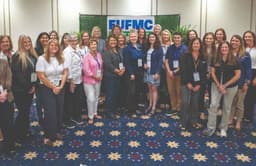
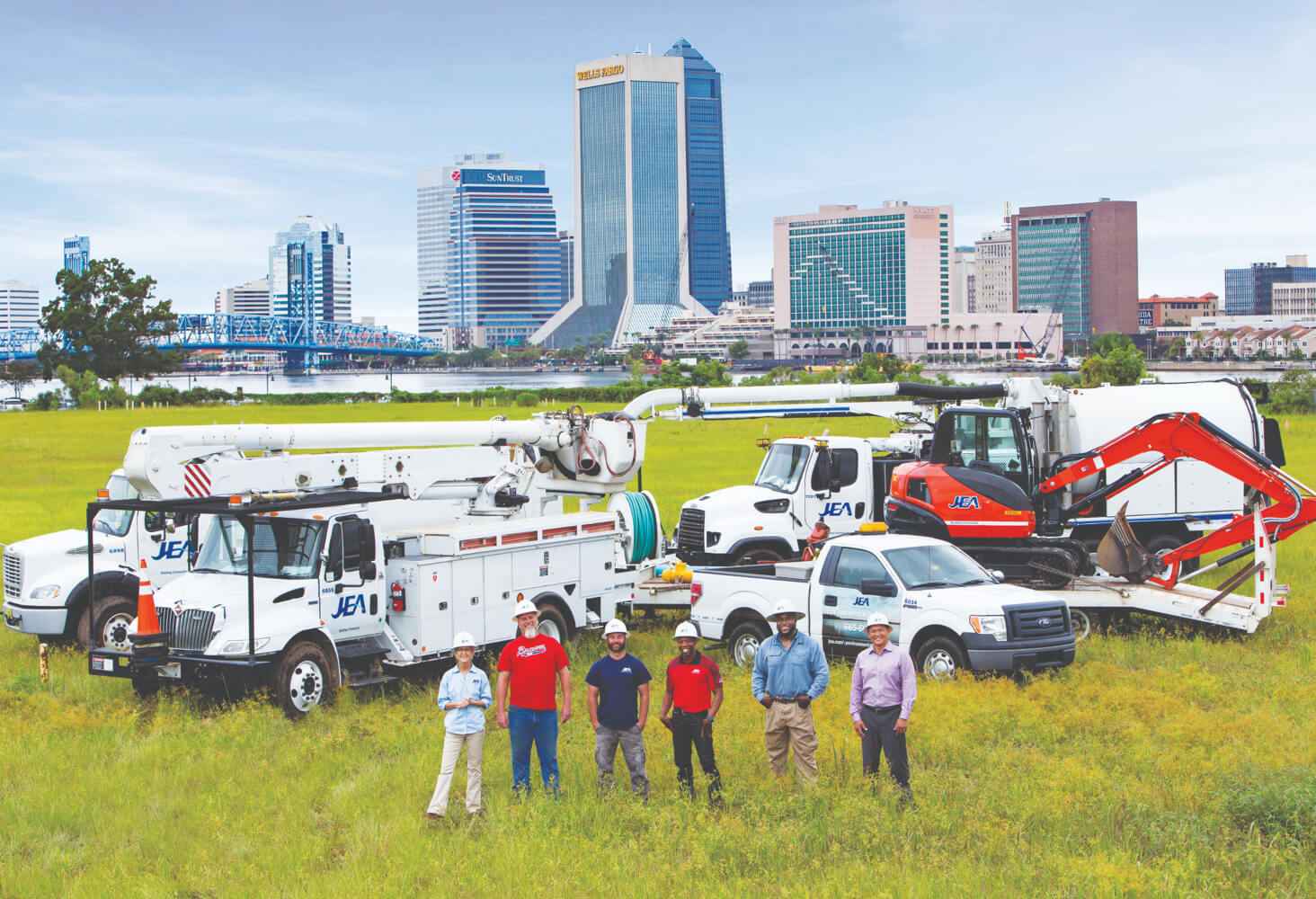
The discussion, moderated by Fortunato Gulino, chief automotive engineer at Consolidated Edison and an EUFMC Director, featured Christi Oca, associate manager of fleet capital & logistics support at JEA, and Robert “Nick” Atkins, senior sourcing specialist for Dominion Energy.

Focusing on how their fleets are responding to escalating equipment costs, extended lead times and the need for smarter asset management, the discussion provided advice on practical strategies for procurement, standardization, vendor management, rightsizing and long-term fleet planning.
New Reality
Both panelists described how their fleets have adjusted procurement processes to remain productive despite the challenges they face. For JEA, the answer was a fundamental change in purchasing strategy.
Oca explained, for example, that the utility moved away from a system that required equipment to be ordered and received within the same fiscal year. Instead, JEA redesigned its purchasing process around multi-year commitments. “We partnered with our procurement team, and we redesigned our purchase orders,” she said. “We were able to move to multi-year purchase agreements and that really helped us.
“The benefits became clear during the pandemic, when lead times for new equipment increased dramatically across the industry,” Oca continued. “Because JEA had already implemented longer-term agreements, we were better positioned to manage delivery disruptions and maintain access to needed equipment.”
Today, JEA maintains a five-year budget and continuously adjusts replacement plans as costs change. Oca noted that some medium-duty equipment still carries lead times of 18 to 24 months, making long-range forecasting essential.
Strong communication with suppliers also remains a key component of the strategy at JEA. “The biggest thing for us is strong vendor relationships,” Oca said. “We meet with our vendors often to discuss lead times and costs, and that’s how we’re able to be successful.”
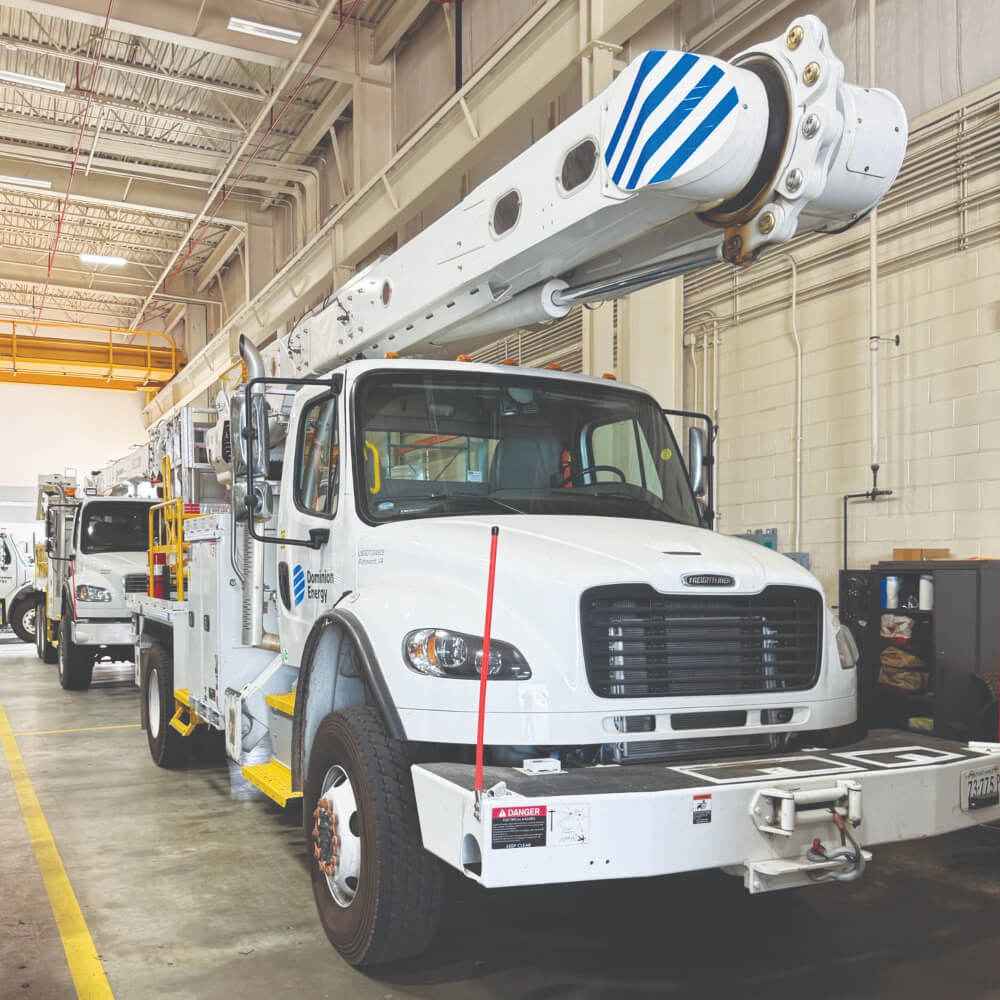
Dominion Energy took a different but equally successful path to addressing equipment procurement challenges. Atkins described an effort to diversify manufacturers and suppliers, helping the utility avoid overreliance on a single source of equipment.
To begin, the company conducted pilot programs involving multiple vehicle manufacturers and upfit vendors, allowing the fleet to evaluate performance before making major commitments. “We reached out to multiple vendors and had trucks built that we could try to see if they would be a good fit for our crews and operations,” Atkins said.
“Once we were moving toward diversifying manufacturers, we were able to balance our approach to sourcing vehicles and equipment that was both practical and cost-effective,” Atkins continued. “We also began requiring regular status updates from vendors to stay informed of potential delivery issues.”
Another important initiative at Dominion Energy involved local upfitting capacity. According to Atkins, the fleet conducted a market study to identify regional and local vendors capable of supporting fleet equipment builds. “One of the biggest delays we were experiencing was once the chassis reached the upfitter,” he explained. “The effort uncovered several partners that could help reduce bottlenecks once chassis arrived for customization.”
Right Balance
One of the most engaging parts of the discussion centered on standardization. Fleet managers often face competing demands: operators want equipment tailored to their unique needs while fleet departments seek consistency that simplifies procurement, maintenance and technician training.
Oca described a balanced approach at JEA. The utility employs standard technical specifications for light- and medium-duty vehicles. At the same time, operating departments can select from a defined set of options to accommodate different needs.
“We have our standard specs,” Oca said. “That includes all of our core features for safety and towing, and everything on our standard truck is set up the same way. And then we have different options that meet departmental needs.”
She noted that JEA’s largest medium-duty platform supports approximately 40 departments through 17 different option packages, allowing flexibility without abandoning a structured specification process. Heavy-duty and aerial units are largely standardized. That consistency allows equipment to move more easily between departments and supports broader fleet flexibility.
Equipment standardization also supports safety and training objectives. Oca explained that maintaining consistent manufacturers and operating systems is especially valuable for apprentices and field personnel who rely on familiar controls and procedures.
At the same time, she acknowledged that fleet managers must resist requests driven more by preference than operational necessity. JEA increasingly requires business cases for specialized equipment requests, ensuring that additions are justified by genuine business needs rather than individual preferences.
Rightsizing Through Data
Another major topic was rightsizing, with both Dominion Energy and JEA embracing data-driven approaches to what has traditionally been a difficult conversation with operating departments.
Dominion Energy approaches rightsizing through a combination of replacement standards, utilization reporting, maintenance analysis and telematics technology. The utility establishes replacement benchmarks—such as seven years or 130,000 miles depending on the asset—and uses monthly reports to evaluate equipment performance.
“Monthly utilization reports help identify underused units,” Atkins related. “In some instances, those vehicles can be transferred to departments affected by long lead times, allowing them to satisfy operational needs without purchasing new assets.
“Telematics further strengthens the decision-making process by helping identify equipment that sees minimal usage or may be experiencing recurring problems,” Atkins added. “Combined with maintenance data, these insights support more informed decisions about redeployment, retention or replacement.”
Atkins emphasized the value of face-to-face replacement meetings with business units. “These sessions help determine future needs while also creating opportunities to discuss emerging technologies and alternative solutions that may reduce wait times for new equipment,” he said. “We also require justification when departments seek exceptions to established standards.”
At JEA, utilization analysis begins with a three-year review of asset usage. “Vehicles that fail utilization measures in two of the previous three years are flagged as underutilized,” Oca reported. “Departments must then provide justification for keeping those assets, but those reviews do not automatically result in disposal. In many cases, assets are reassigned to other groups that can make better use of them.”
Oca also cited organizational changes that created opportunities to redeploy vehicles rather than immediately replace them. “Rightsizing involves more than simply reducing vehicle counts,” she said. “The broader objective is ensuring that departments possess the assets they truly need to perform their work.
“Frequent engagement with business groups is central to that effort,” Oca continued. “JEA conducts meetings with users to better understand operational requirements, evaluate specifications and determine how existing assets can be used most effectively. Overall, we’re focused on making sure that the groups truly have what they need.”
Executive Support
As the conversation turned toward organizational culture, both panelists highlighted the role of leadership in making procurement and rightsizing initiatives successful. Data and policies can only go so far without support from senior management, they noted.
“Executive-level oversight serves as a critical component in maintaining discipline and consistency across the organization,” Atkins said. “It is always needed at our departments. Without that support, it doesn’t become an issue, especially when it comes to rightsizing.”
Decisions about vehicle allocation at both JEA and Dominion Energy always involve operational concerns. At the same time, the panelists related, strong leadership support helps ensure that decisions remain grounded in fleet data and business requirements.
Looking Ahead
Asked what single change would most improve fleet operations, the panelists focused on planning, support and understanding. Oca, in particular, pointed to the value of better planning capabilities. Atkins highlighted the need for greater understanding across all levels of the business about how fleet operations function and why standardization matters.
The discussion concluded by reinforcing several themes that resonate across utility fleets: proactive budgeting, strong supplier relationships, diversification of sourcing, disciplined standardization, data-driven rightsizing and executive support. Together, these strategies offer a roadmap for navigating a market where costs remain high, lead times remain unpredictable and every procurement decision carries long-term operational consequences.
One key takeaway from the session is that success in fleet procurement is no longer just about buying equipment. It is about planning years ahead, leveraging data effectively, collaborating across departments and building partnerships that can withstand ongoing market uncertainty.
Sep 29, 2026
Lift & Access is part of the Catalyst Communications Network publication family.