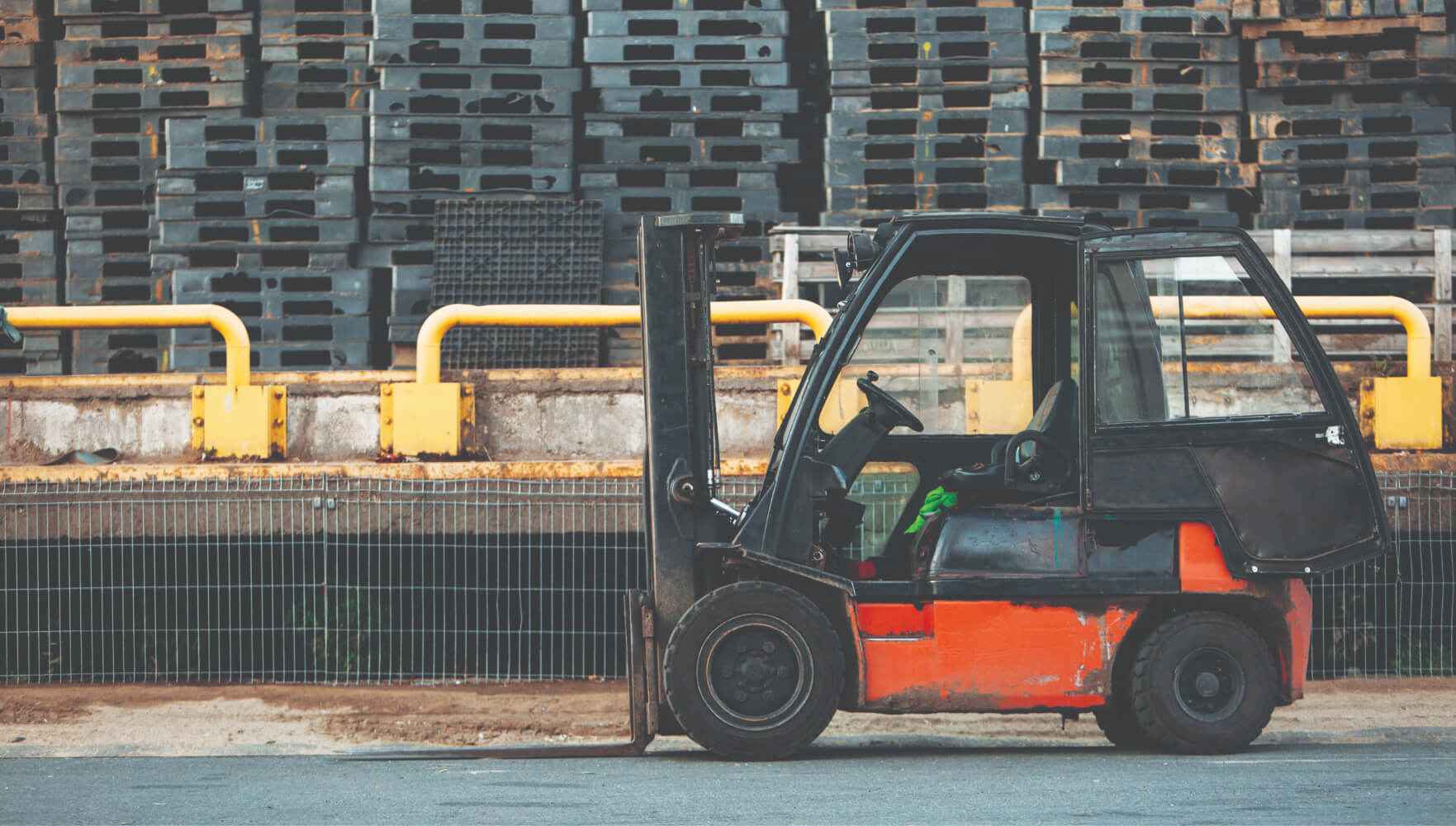
For businesses looking to add material-handling capacity while keeping upfront costs down, a used forklift can offer a lower-cost alternative to buying new. But the purchase price is only one part of the equation.
A forklift’s condition, operating history, maintenance records, application, age, and available parts and service support can all affect its value and the cost of keeping it running.
Before buying, consider the full picture to determine whether the equipment fits the job and makes financial sense for the operation.
Application
The first question should be how the forklift will be used.
Bobcat’s “Used Forklifts: The Dirty Truth” says businesses operating a forklift fewer than 40 hours per week could be good candidates for used equipment. It also identifies businesses with limited funds for a new truck, or those that do not want to finance a new forklift, as potential candidates for used equipment.
The application itself also matters. Bobcat advises companies that need lifting equipment to operate outside to consider new equipment and says used equipment should not be purchased for construction-site work.
The type of forklift required will also affect the price. In the “New Forklift vs. Used Forklift” article, CLARK Material Handling Company notes that a standard sit-down warehouse truck is generally less expensive than a specialized narrow-aisle model. Larger forklifts and those with higher weight capacities also typically cost more.
Features and attachments can also add to the cost. Specialized forks, poles, side-shifters, ergonomic features, and advanced safety systems affect forklift prices.
Hours and History
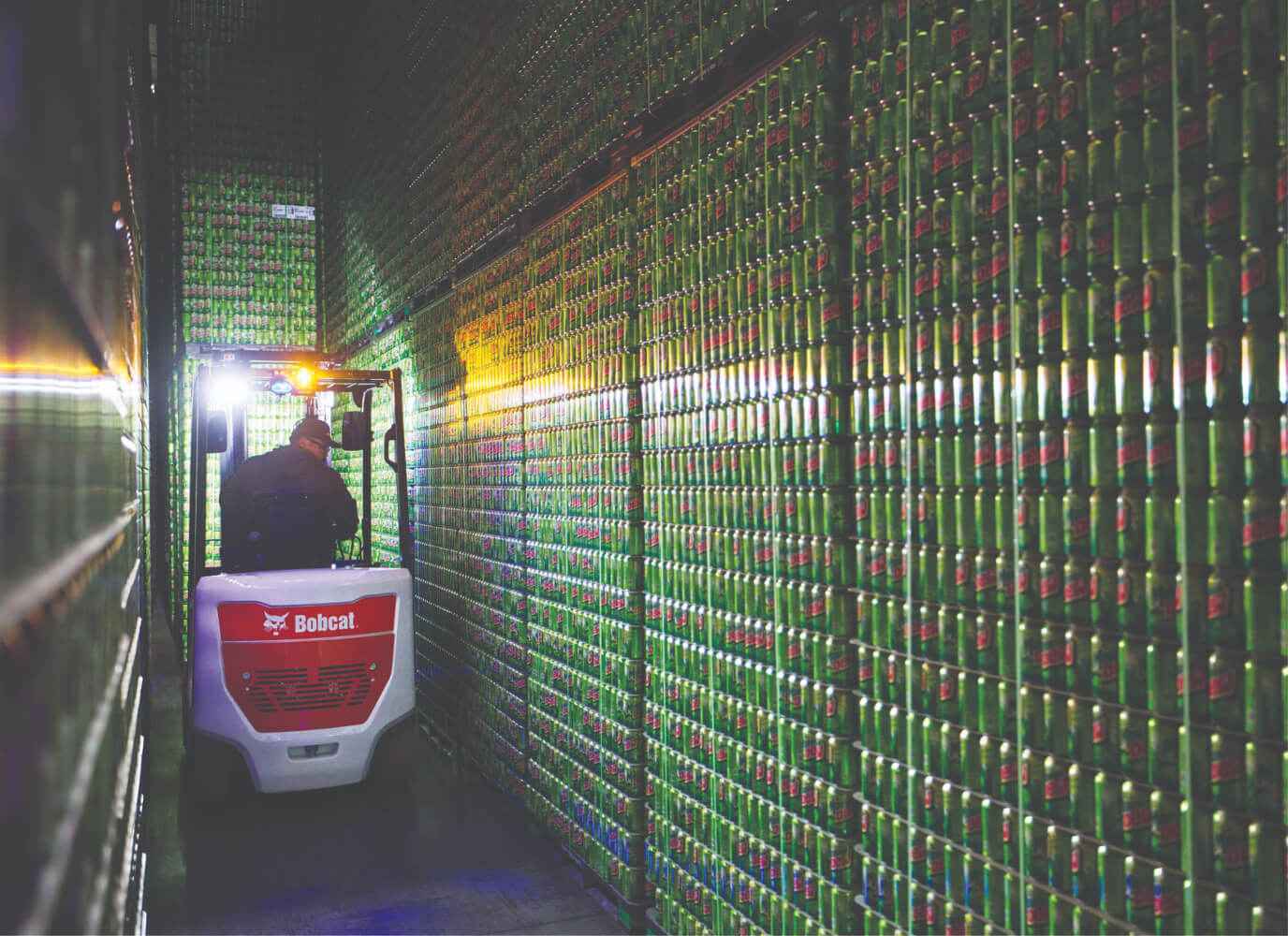
Forklifts are generally evaluated by operating hours rather than miles, making the hour meter an important part of the buying process.
Bobcat recommends understanding what constitutes typical hours for the type of used forklift being considered. Hours alone do not tell the whole story.
Toyota Material Handling Solutions recommends asking how many hours the forklift operated each day and whether it experienced extended periods of heavy use. The company says this information can provide insight into potential wear and tear.
It is also important to understand where and how the forklift was used.
Toyota suggests asking about the machine’s previous applications and operating environments. For example, if a used forklift was operated in a cold environment, buyers should determine whether it had an anti-corrosion protection system to address potential rust issues.
Rental history can provide additional information. Buyers should ask whether a forklift was previously rented for a short- or long-term period and whether it was exposed to extreme environments or applications.
Service Records
Maintenance records can help fill the gaps between a forklift’s age, hours, and current condition.
Toyota recommends obtaining maintenance and service records to determine how often the forklift received routine maintenance, repairs, and replacement parts. The company also advises buyers to look for equipment repaired by experienced technicians using certified parts.
Previous ownership information can also be useful. CLARK advises to ask for service records and details about previous owners. A documented service history cannot guarantee a used forklift will be trouble-free, but it can offer a better understanding of how the equipment was maintained.
Inspection
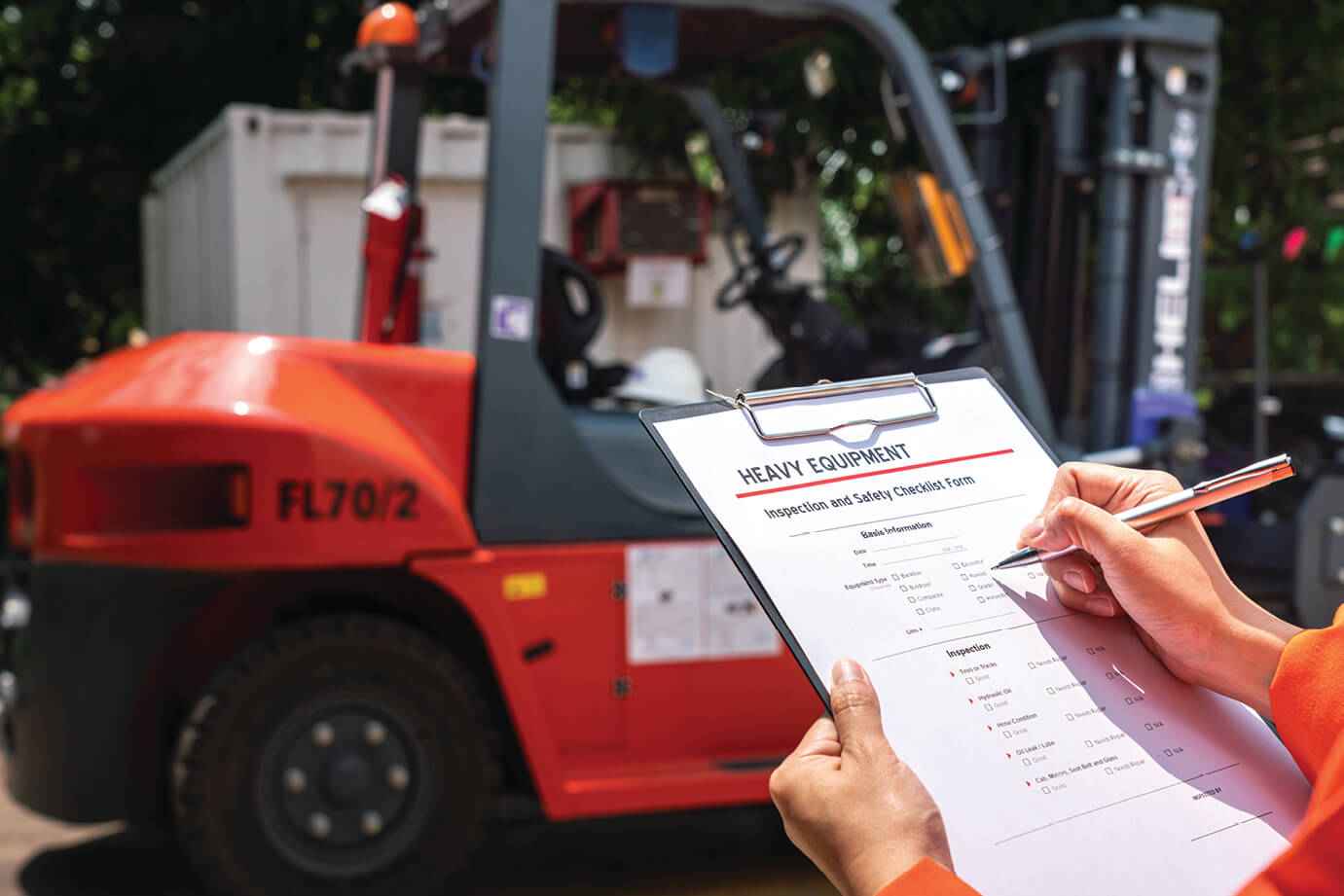
A thorough inspection is one of the most important steps in purchasing used equipment. Bobcat advises buyers to take a mechanic along to evaluate a forklift before purchase.
Start with the major structural components. Toyota recommends checking the mast, forks, and chassis for signs of wear, damage, or structural problems.
The company also endorses a thorough operational check during inspection. Test lifting, braking, steering, and other functions specific to the model.
CLARK suggests checking tire condition and tread depth, examining the forks for damage or excessive wear, and testing mast operation for smooth lifting.
For electric forklifts, buyers should evaluate battery health, charging capabilities, and power issues. Hydraulic systems should be checked for leaks, worn hoses, and fluid contamination. Safety features, including alarms, lights, and brakes, should also be tested.
The goal is to identify potential problems before purchasing the forklift, rather than discovering them after it’s been put to work.
Total Cost
While used forklifts can offer significant savings, buyers should look beyond the initial price.
Bobcat says used forklifts may sell for approximately 75% of their original cost, with prices potentially averaging as high as 85% during periods of scarcity. The company also notes that accessories and functions can cause prices to vary widely.
CLARK offers another benchmark, stating that used forklifts can cost less than $10,000, while typical used models may range from $10,000 to $30,000, depending on age and condition. The company cautions that heavily used, lower-priced models may require costly repairs.
These figures illustrate why buyers should compare similar machines rather than relying on a single price point.
Financing can also change the overall cost. CLARK notes that interest rates, loan terms, and down payments all affect how much a buyer ultimately pays.
Maintenance and repairs are another consideration. Bobcat warns that used forklifts may not qualify for normal service contracts or warranties and states that “the cost of servicing older equipment can quickly outpace the upfront savings.”
CLARK similarly identifies higher repair risk, limited or no warranty coverage, and outdated safety and efficiency features as potential drawbacks of used forklifts.
New or Used?
The right choice depends on the operation.
New forklifts cost more upfront, but CLARK identifies advantages such as current technology, safety features, warranty coverage, customization, and fleet uniformity. New equipment may make more sense for operations with heavy daily use or specific configuration requirements.
Used forklifts can be a better fit when controlling the initial purchase price is a priority, equipment will see limited daily use, or a machine is needed quickly. CLARK also identifies short-term and seasonal applications as situations where used equipment may be appropriate.
Fleet requirements can also influence the decision. Purchasing several new forklifts can make it easier to standardize equipment, while finding identical models in the used market may be more difficult.
Evaluate the Seller
The seller is another important part of the purchase.
Toyota recommends choosing a dealer with a history of transparent transactions and customer satisfaction. Buyers should seek accurate information about the forklift’s condition and ask whether any warranty or guarantee is available.
Comparing prices among sellers or dealerships can also help determine whether an asking price is reasonable. Toyota suggests making sure the price aligns with the forklift’s age, condition, and features and cautions buyers about deals that seem too good to be true.
The Sum
A used forklift can be a practical way to add equipment without the upfront expense of a new machine. But the cheapest forklift is not necessarily the least expensive one to own.
That’s where the used forklift equation comes together. Before buying, consider how the forklift will be used, how many hours it has accumulated, where it has worked, and how well it has been maintained. Inspect the equipment carefully, test its major functions, review its service history, and research the availability of parts and service.
Most importantly, consider future maintenance and operating costs alongside the purchase price. Each factor contributes to the overall cost of the forklift and helps determine whether the equipment is a good fit for the operation.
The decision between new and used ultimately is a matter of balancing purchase price, condition, and operating costs. A used forklift that is properly inspected and suited to the application may provide the value a business needs, but that value comes from looking at the whole equation, not simply from finding the lowest price.
Oct 20, 2026

Lift & Access is part of the Catalyst Communications Network publication family.