Forklifts are essential tools for moving materials efficiently, but no two machines or operating environments are exactly alike. Controls and operating characteristics can vary by truck, while workplace conditions can change from one task or shift to the next.
Proper operation begins with understanding the specific forklift being used and recognizing the conditions around it. From training and pre-operation inspections to load handling and onboard technology, the following four practices can help operators make informed decisions throughout the workday.
1. Complete Required Forklift Training and Evaluation
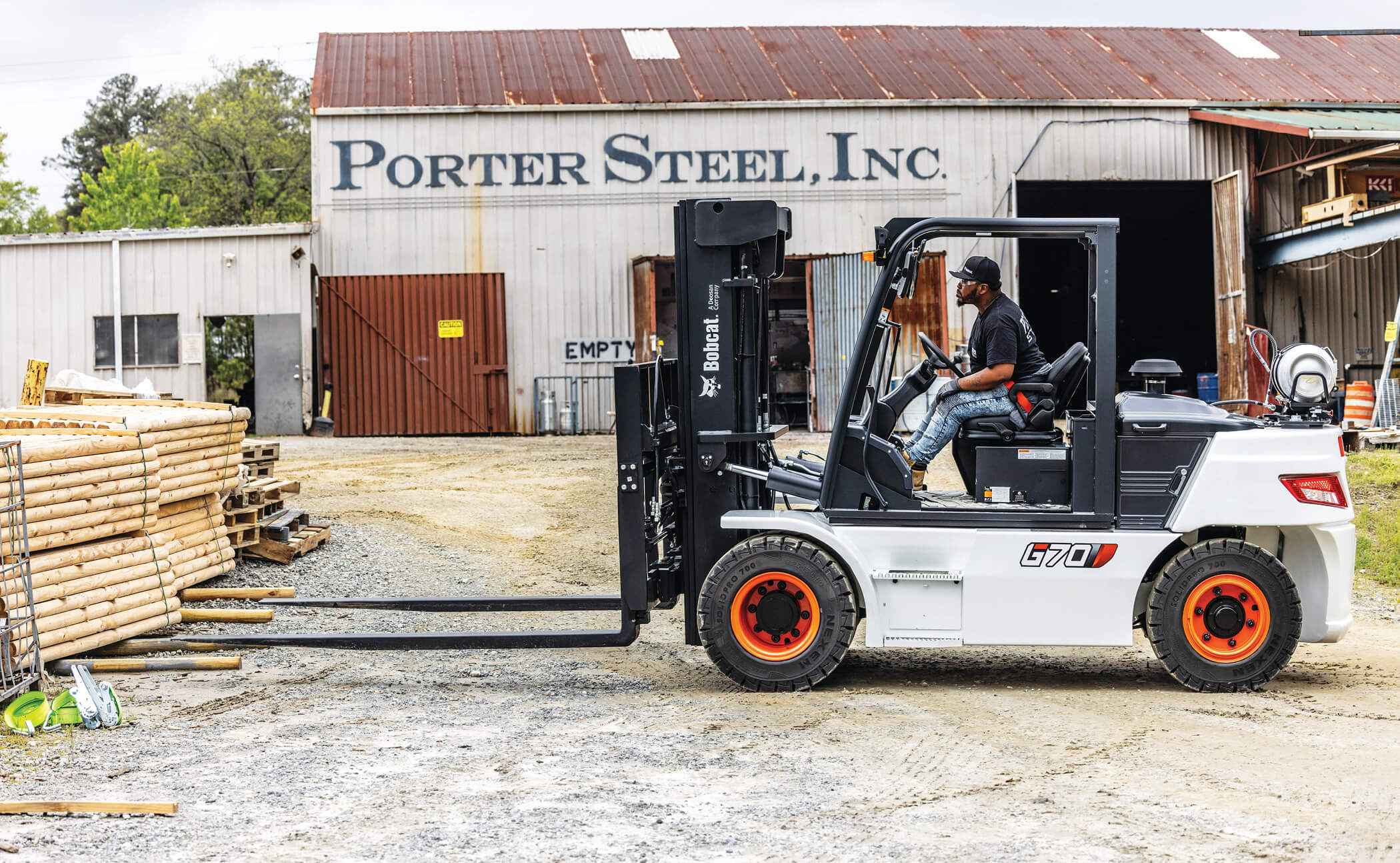
Forklift types can differ significantly in their controls, operating characteristics, and intended applications. For example, the setup and functionality of an electric pallet truck or stacker varies considerably from those of an internal combustion (IC) pneumatic tire forklift.
Operators should receive training for the type of forklift they are authorized to operate and the conditions present at their jobsite or warehouse. OSHA requires operator training to include formal instruction, practical instruction, and an evaluation of the operator’s performance in the workplace. Employers are responsible for certifying that operators have been trained and evaluated.
Manufacturers, dealers, and qualified training providers may offer educational resources and opportunities for hands-on practice. However, training should not be treated as a one-time exercise. Refresher instruction may be needed when an operator is assigned to another type of truck, workplace conditions change, or an evaluation identifies a need for additional instruction.
Before operating any forklift, become familiar with its controls, warnings, machine characteristics, and operating instructions. Time spent understanding the machine helps prepare the operator for the work ahead.
2. Inspect the Forklift Before Use
A pre-operation inspection can reveal developing concerns before the forklift is placed into service. Operators should begin with a visual walkaround, looking for leaks, tire wear, damaged components, and other signs that the machine may require attention.
Inspection points will vary by truck. Operators should follow the manufacturer’s checklist and recommended maintenance schedule, reviewing applicable items such as the tires, forks, mast components, hydraulic system, fluid levels, brakes, steering, lights, horn, alarms, and operator-restraint system.
Fork condition merits particular attention. Although forks are designed to handle demanding work, regular use can lead to wear or damage. Before lifting a load, check that the forks are not cracked, excessively worn, bent, or twisted.
Operators should also fasten the provided seat belt or restraint system and test applicable controls and protective devices. If an inspection uncovers a condition that could affect operation, the forklift should be removed from service until the issue is corrected. Starting each shift with a deliberate inspection helps identify concerns before they affect the work ahead.
3. Know the Load and Read the Environment
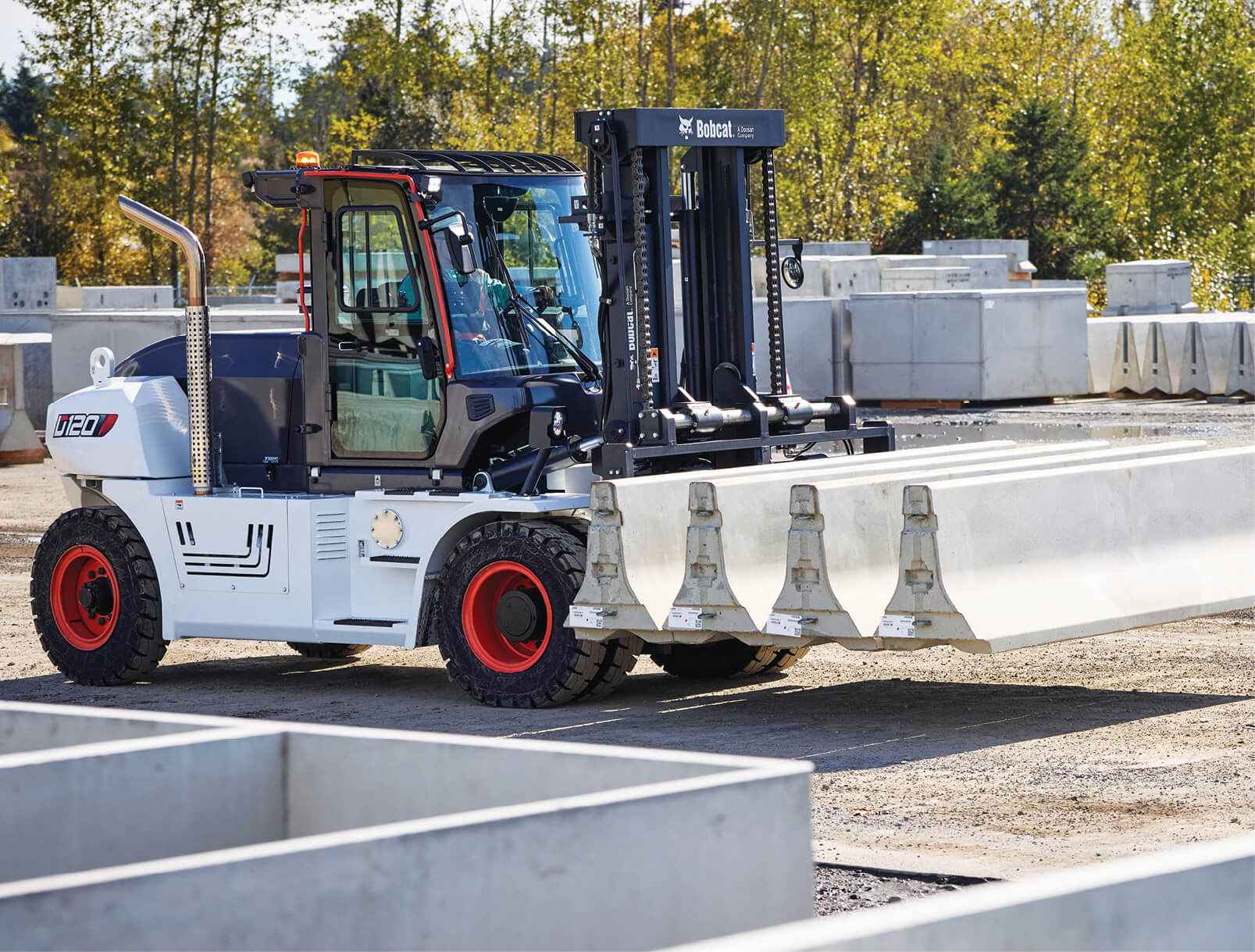
A forklift’s capacity is more than a single number. The load center, lift height, and installed attachments can all affect how much the truck is designed to handle. Operators should consult the data plate, remain within the machine’s rated lift capacity, and confirm that the load is stable and secure before moving it.
Operators should also understand the stability triangle, the area formed by the forklift’s two front wheels and the pivot point of the rear axle. If the combined center of gravity of the forklift and its load moves outside this area, the truck may become unstable. Overloading, improperly positioned or elevated loads, and sudden movements can all affect stability.
The operating environment is equally important. A warehouse floor may contain moisture, debris, blind corners, or pedestrian traffic. Outdoor applications may introduce uneven terrain, slopes, or changing surface conditions. Narrow aisles, ramps, and restricted spaces can also affect worksite visibility and maneuverability.
These conditions should influence how the operator approaches the task. Travel speed should match the environment, visibility should be maintained in the direction of travel, and site traffic controls should be followed. Operators should remain alert, use warning devices as appropriate, and avoid distractions.
Knowing what the forklift can handle is only part of the equation. Operators must also recognize how the load, route, and surroundings interact before the truck begins moving.
4. Understand Warnings and Operator-Assist Technology
Equipment warnings and operator-assist technologies can provide valuable information during operation. Pairing properly trained operators with thoughtfully designed technology can support productive material handling operations.
Some forklift models feature telematics and other advanced systems. These technologies can communicate information related to truck movement and lifting functions, and help ensure stability and operator presence.
Service indicators and audible or visual alerts should never be ignored. Depending on the machine, these warnings may relate to the engine or motor, brakes, temperature, fluid levels, or other operating conditions. Operators should understand what each indicator means and respond according to the manufacturer’s instructions.
Technology can enhance awareness, but it does not replace training, workplace procedures, or attention to the surrounding environment. Its value depends on the operator recognizing the information and taking the appropriate action.
Making Forklift Safety Part of Every Shift
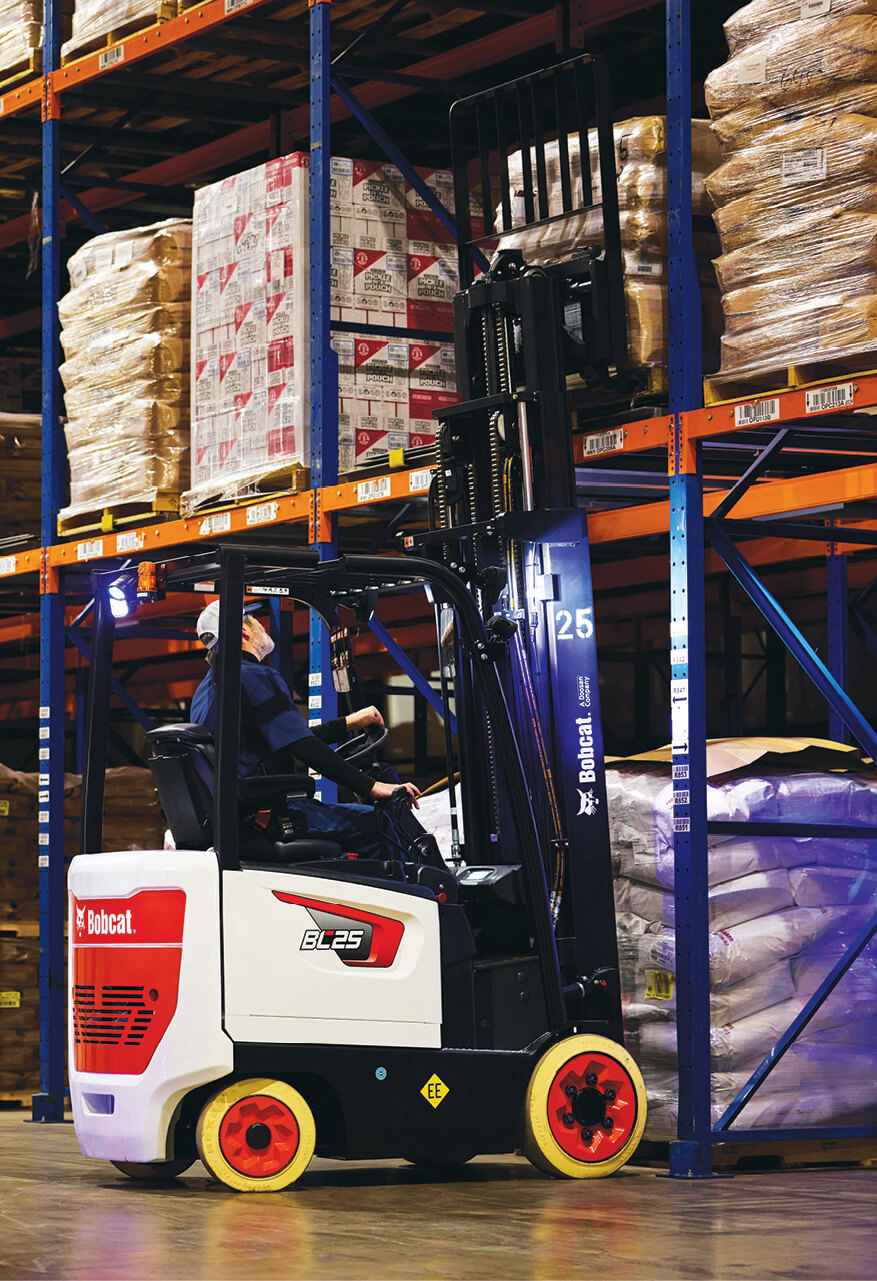
Responsible forklift operation is not defined by one feature, inspection, or training session. It is built through deliberate actions repeated throughout the workday.
Operators who understand their equipment, inspect it before use, respect its rated lift capacity, and remain attentive to changing conditions are better prepared to make sound decisions. When employers reinforce those practices with effective training, clear procedures, and properly maintained equipment, risk awareness becomes part of the way the work is performed, not simply a step completed before the shift begins.
That consistency is the central goal: approach every machine, load, and operating environment with the same level of preparation and awareness.
Oct 29, 2026

Lift & Access is part of the Catalyst Communications Network publication family.