Women make up about 25% of the workforce in utilities and about 26% in transportation, according to a Bureau of Labor Statistics report. Many women in this field have even expressed that it’s not uncommon for them to be one of only a handful, or none at all, in an entire department.
In such male-dominated industries, women face numerous hurdles and barriers to advancing into leadership roles. But these challenges don’t need to be navigated alone. Across the industry, conferences, task forces, industry groups, and organizations are creating spaces and conversations where women can connect, build skills, and create strong support networks.
Creating Community
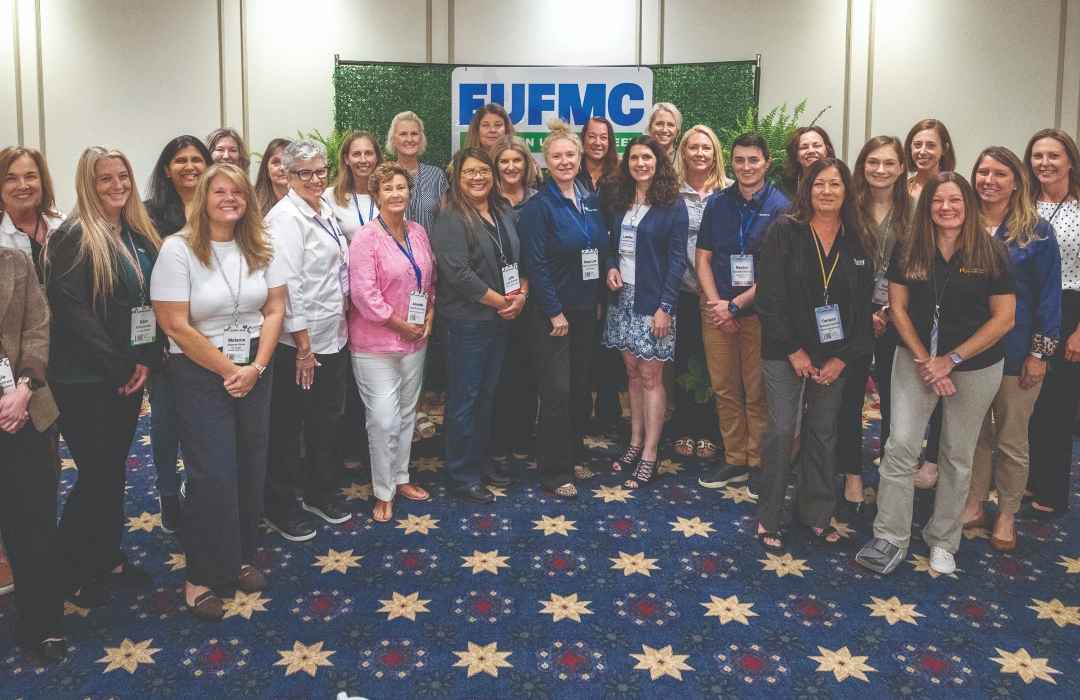
Each year, EUFMC hosts the Women in Utility Fleet program for fleet professionals and fleet suppliers. The program provides a dedicated space for women across the utility fleet industry to connect with peers, share experiences, and discuss the challenges and opportunities they encounter in their careers. In addition to networking, the program encourages collaboration, professional development, and career growth.
The Women’s International Network of Utility Professionals (WiNUP) is also elevating women in the industry. The organization connects professionals and provides opportunities for members to grow their careers, build relationships, and learn from one another. Through professional development, networking, and mentoring, WiNUP helps increase visibility and recognition for women and their contributions. WiNUP also hosts the WiNUP International Conference yearly to encourage collaboration and support.
Other programs and organizations are also helping strengthen the community and create opportunities for women in the industry. The Women in Fleet Management Task Force, hosted by the Automotive Fleet & Leasing Association (AFLA), serves as a resource for women fleet leaders. U2030’s RADIATE Program combines professional development, mentoring, peer networking, and immersive learning, while Women in Energy provides resources and a professional community focused on elevating the role of women in the industry.
Opportunities such as these are helping women connect, grow their careers, and share their experiences, while the women themselves are bringing new perspectives and leadership to the industry. Their stories offer a closer look at what it means to build a career and become a leader.
Elizabeth Daiber
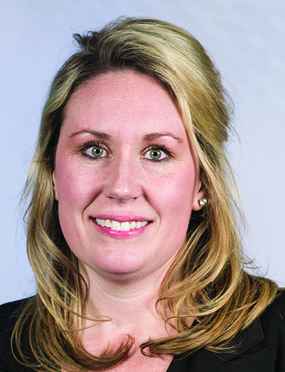
Elizabeth Daiber, senior manager of fleet services at Ameren Illinois, has spent 15 years in the utility industry. Ameren Illinois is a gas and electric utility company with 3,800 fleet assets across Illinois. Daiber has worked her way from fleet analyst to senior manager, bringing her background as a certified public accountant (CPA) into the fleet group while learning the ins and outs of the industry along the way.
Early in her career, Daiber faced a knowledge gap after entering fleet without a mechanical background.
“I did not have the technical knowledge base that a lot of my male peers had when it came to fleet,” she said. “This was not an insurmountable challenge, as I had very supportive coworkers who helped me develop the knowledge base that I have today.”
As she built her expertise, Daiber also took on new responsibilities and gained experiences that helped shape her as a fleet leader. Mentorship also played an important role, particularly her time working with Dan Remmert.
“Dan Remmert had the biggest impact on my career,” Daiber stated. “He provided me with opportunities to grow in numerous areas of the department, and supported me in those roles over the twelve years I worked for him. He also provided a tremendous example of what it means to be a strong, visionary leader who operates with great integrity.”
Today, she leads the fleet team, which includes acquisition, maintenance, and back-office teams.
Since 2014, Daiber has seen the number of women in the fleet department double. She also recognizes that misconceptions about gender can still shape how women view their place in the industry.
“There is a misconception with some women that their gender creates barriers in achieving their goals,” Daiber said. “If you have aspirations in a male-dominated field, it will be important to work hard, find a mentor to support you in your journey, and be open to opportunities across the organization.”
Christi Oca
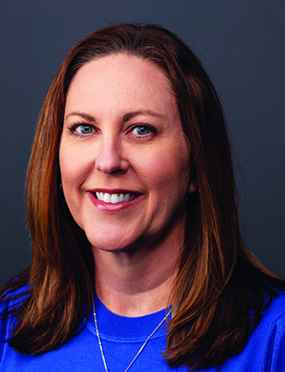
Associate Manager, Fleet Capital & Logistics Support at JEA, Christi Oca, has spent 27 years with JEA and 15 in fleet. JEA provides energy and water services to more than one million residents and businesses throughout Northeast Florida with about 2,000 fleet assets, from light- and medium-duty trucks to bucket trucks, derrick diggers, vacuum trucks, and other specialized utility equipment.
Oca was attending the University of North Florida when she took an internship with JEA’s Safety and Health Services team. She has since worked in fleet as an operations analyst and fleet specialist and is now an associate manager, where she manages the fleet capital budget and the lifecycle processing while also overseeing the development of specifications for new assets.
“Fleet was not my original background, but each role has given me opportunities to learn, grow, and develop within fleet operations,” Oca noted.
She emphasizes that it’s a common misconception that someone needs trade or automotive experience to work in fleet.
“When people hear ‘fleet,’ they often automatically think of technicians and automotive experience,” she said. “While those roles are certainly an important part of fleet, there are many other opportunities, including analysts, contract management, procurement, planning, and other support functions.
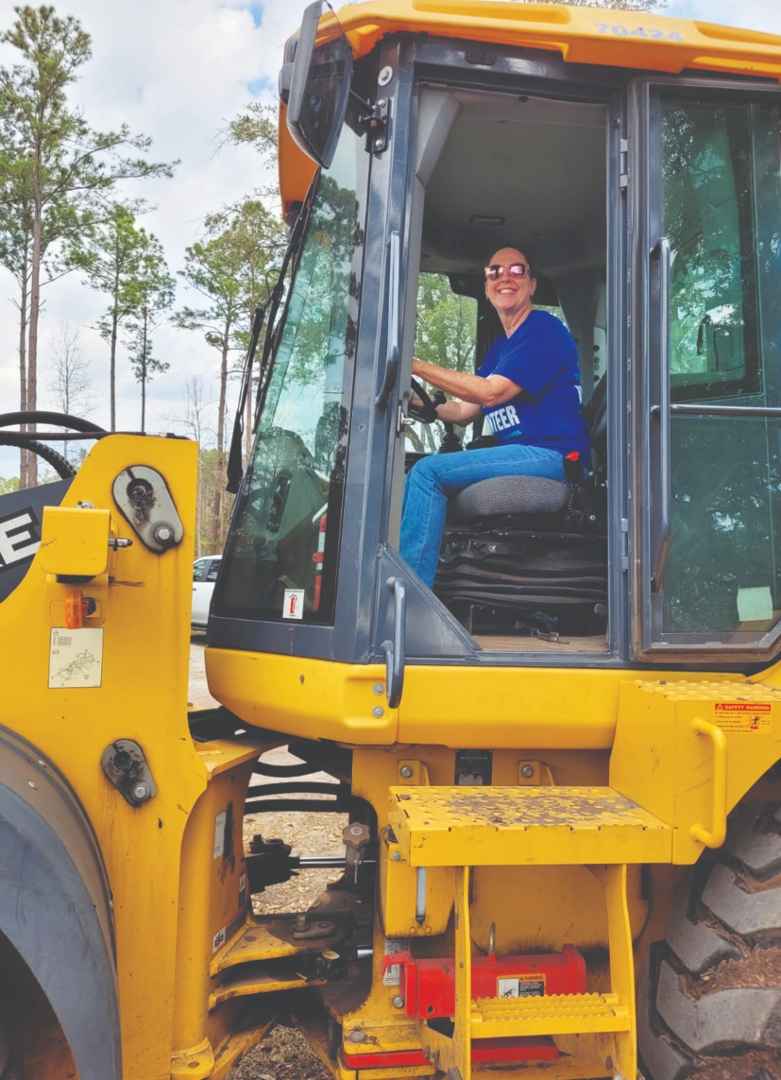
“You don’t necessarily have to come into fleet knowing everything about vehicles or equipment,” she continued. “There are many different skills and backgrounds that can contribute to a successful fleet organization.”
Oca finds it hard to point to one person in particular as an influence on her career, and instead reflects that friendships and supportive management have helped her flourish.
“I think having people in your corner who know the industry but also know you as a person and understand your work ethic is incredibly valuable,” she said. “Those relationships have played a big part in my growth and have helped shape my career.”
Paula Bell
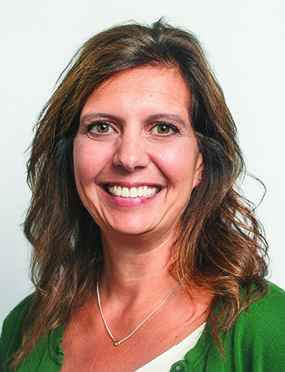
With more than 30 years of experience behind her, Paula Bell, director of marketing at Arrowhead Winch, works across a variety of industries, including utilities. With Arrowhead Winch, a manufacturer of winches, hoists, and drives which serves the utility and other heavy-equipment markets, Bell helps her team better understand their markets, identify customer needs, and ensure these insights carry through everything in the company.
“At the beginning of my career, I was often the only woman in the conversation, since the industries I’ve worked in have traditionally been very male-dominated,” Bell said. “And yes, I’ve definitely had people talk to my husband instead of me at industry events, and he’s not even in the business!”
She reflected that it took time to become confident in her own knowledge, and she has also had supporters who often challenged her to think differently.
“The ones who encouraged me to ask questions, gave me opportunities to try something new, and supported my initiatives are the people who helped me get where I am today,” she added. “But I’m also thankful for the more challenging experiences that showed me what not to do. I’ve learned something from every person I’ve worked for — sometimes about the kind of leader I want to be, and sometimes about the kind I don’t.”
Bell expresses similar beliefs about the misconceptions in the industry regarding the “need” for technical knowledge before entering the space.
“Of course the industry needs engineering and technical expertise, but it also needs marketing, finance, HR, supply chain, sales, communications, product management, and leadership,” she said. “You don’t have to come into the industry knowing everything. You just need to be willing to learn, ask questions, and understand how your skills can contribute.”
Meaghan Morgan
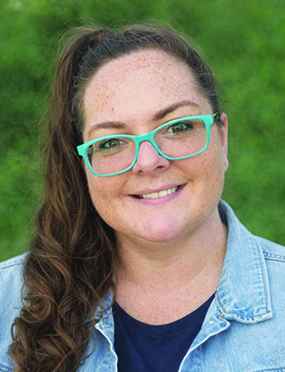
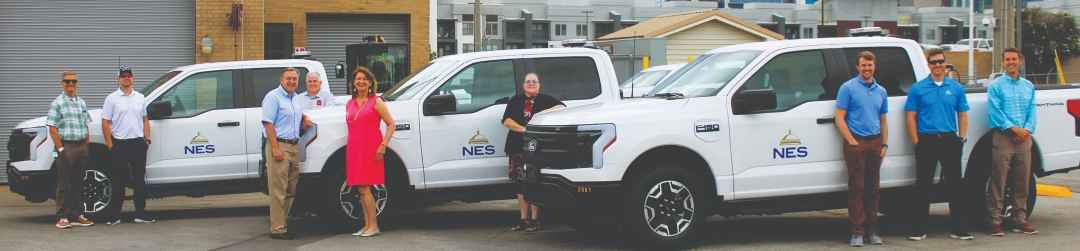
Meaghan Morgan, business analyst II at Nashville Electric Service (NES), started her career as an administrative assistant to the chief information officer 12 years ago, transitioning to a procurement assistant, before landing in fleet as a business analyst five years ago.
Working for NES, the 11th-largest publicly owned electric utility company in the nation with approximately 650 Class 1 to 9 assets, has given Morgan experience in an organization that plays an important role in her community. Over the years, she has also had the opportunity to learn from and grow under strong leadership.
“Our Safety Engineer & Transportation Manager, Mark Booker, has had the biggest influence on my career here, encouraging my initiative and frequently challenging me with opportunities to broaden my skill set,” she explained. “He’s the most open-minded and forward-thinking manager I’ve ever had the pleasure of working for.”
Morgan reflects that at the beginning of her career, there was less of a disparity between the genders. On the administrative side, she notes that there was a more equal balance.
“Now in fleet, I’m one of only two women in the department, something that is not uncommon in our industry, but I feel fortunate I’ve never been made to feel as though my contributions or my place here are in question,” she emphasized.
As the industry continues to change, Morgan points to organizations that are helping create more opportunities for women.
“The industry has absolutely become more welcoming to women, and leading the way are educational organizations like EUFMC,” she said. “The event schedules a Women in Fleet gathering every year and works hard to foster mentor/mentee relationships year-round. There’s still work to be done in the areas of ingrained methodologies and resistance to change, but I do feel progress is consistently being made.”
For the Future
Many young women will be graduating or may be looking to enter new fields and take their careers in a new direction. This raises an important question: What do young women need to hear from those already in the field?
Oca points to the importance of creating a supportive environment for women in the industry.
“Ultimately, developing the next generation of women leaders is about creating opportunities, providing support, and giving people the confidence to step into those opportunities,” she emphasized.
For those interested, she said: “Be open to different roles in the industry, take chances, and know your worth. You may find opportunities in areas you never expected, so don’t be afraid to step outside of your comfort zone.”
When asked how the industry can do a better job of uplifting women, Daiber expressed that sometimes leaders can lose sight of the importance of developing their team.
“My advice to leaders is to be intentional about creating opportunities, bench strength, and challenging development projects for their team,” she said. “Try to align the interests of your team members with department objectives and provide the support they need to succeed.”
“My advice to young women is to be open to all career paths,” she continued. “This could include a trade school or university.”
“You will never regret your decision to work in the utility industry,” Morgan added. “While change is constant, energy needs are constantly growing, and the stability afforded by having a role in it will improve all areas of your life.”

Bell encourages asking questions and getting involved to better understand the “bigger picture.” Her optimism, however, lies with everyone in the utility industry.
“What excites me most is the opportunity that growth creates for people throughout the industry,” she said. “I’d like to see us continue challenging all employees, not just women, to think critically and stay curious. If we create an environment where different perspectives are valued, and people
are given opportunities to contribute and lead, I think greater opportunities for women will naturally be part of that future.”
The path looks different for every woman, but a common thread runs through each of their stories. Mentorship, support, curiosity, and openness can help pave the way for the workplaces and leaders of the future.
“If your actions create a legacy that inspires others to dream more, learn more, do more, and become more, then you are an excellent leader.” – Dolly Parton
Sep 23, 2026
associate editor, Catalyst Communications Network

Lift & Access is part of the Catalyst Communications Network publication family.